

Detroit, Michigan, December 2, 2025
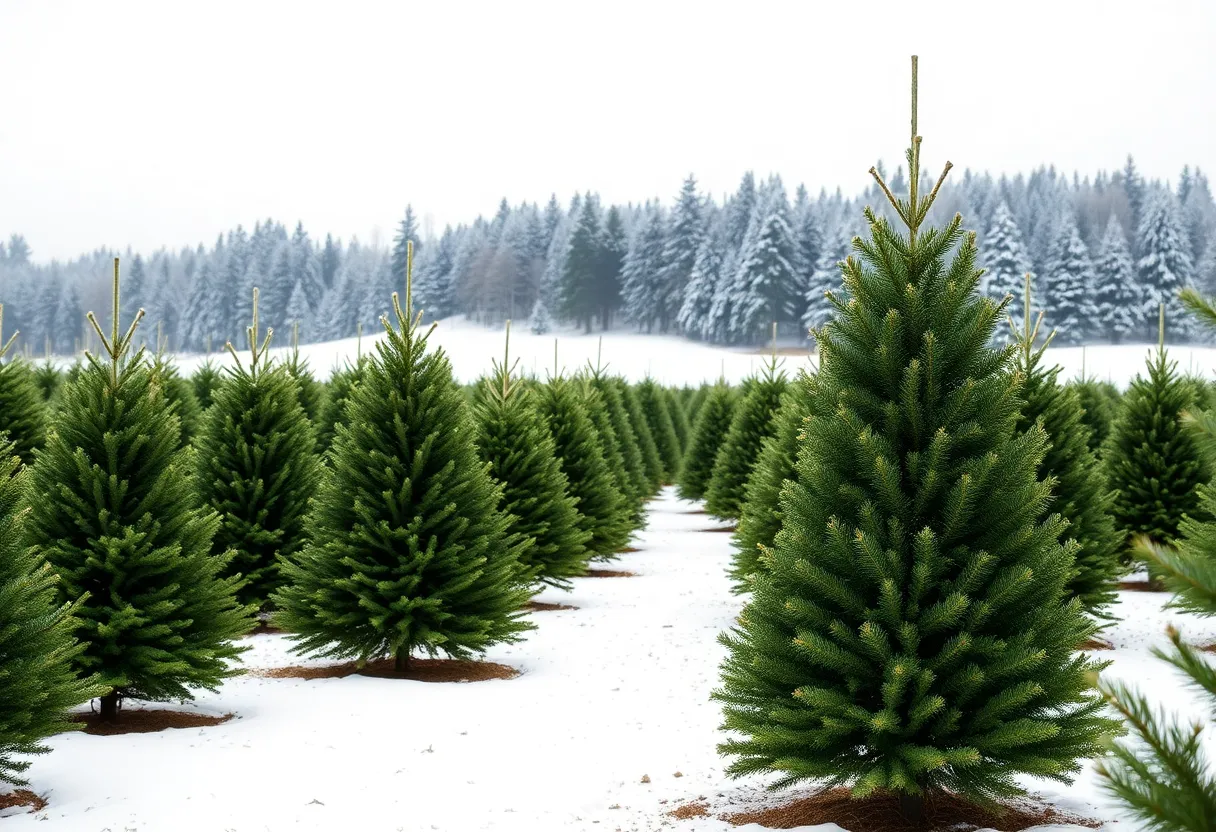
The demand for Christmas trees has surged, leading to significant shortages across various regions, including McDowell County. Local farms are struggling to keep up with consumer needs, prompting them to adapt their traditional practices and explore new farming techniques. The combination of climate change, long growth cycles, and increasing costs further complicate the situation, making tree availability a pressing issue as consumers increasingly prefer real Christmas trees.
High Demand for Christmas Trees Leads to Shortages and Farm Adaptations
Detroit, Michigan – The surge in demand for Christmas trees has led to significant shortages, prompting local farms to adjust their traditional practices. This trend is evident in various regions, including McDowell County, where the high demand is reshaping the landscape of Christmas tree farming.
Shortages and Increased Demand
The Christmas tree industry is experiencing unprecedented demand, resulting in widespread shortages. In McDowell County, local farms are facing challenges in meeting consumer needs, leading to early sell-outs and limited availability of certain tree species. This situation mirrors a nationwide trend where the number of Christmas tree farms has been declining, making it harder to meet the growing demand.
Farm Adaptations and Challenges
To cope with the increased demand, some farms are expanding their operations. Farmers in Illinois, for instance, have been planting more acres to keep up with demand, though this process takes several years. Similarly, in McDowell County, farms are exploring ways to increase production by integrating agroforestry practices like silvopasture, which combines tree cultivation with livestock grazing to enhance productivity.
Environmental and Economic Factors
Several factors contribute to the current shortages. Climate change has led to irregular weather patterns, affecting tree health and yields. Additionally, the long growth cycle of trees, typically 7-10 years, makes it challenging to quickly scale production to meet sudden spikes in demand. Economic factors, such as rising input costs and labor shortages, also impact growers’ ability to meet market needs.
Consumer Behavior and Market Trends
Consumers are increasingly seeking real Christmas trees, valuing the tradition and environmental benefits they offer. This shift is evident in the growing popularity of choose-and-cut operations, where families can select and cut their own trees, enhancing the holiday experience. However, the rising demand has led to higher prices and limited availability, prompting some consumers to consider alternative options.
Looking Ahead
The Christmas tree industry is at a crossroads, balancing the growing consumer demand with environmental challenges and economic constraints. Farmers are adapting through innovative practices and expanding operations, but it remains to be seen how these efforts will impact the availability and pricing of Christmas trees in the coming years.
Why are there shortages of Christmas trees?
The surge in demand for Christmas trees, combined with challenges such as climate change affecting tree health and the long growth cycle of trees, has led to significant shortages in the market. Additionally, economic factors like rising input costs and labor shortages impact growers’ ability to meet market needs.
How are farms adapting to increased demand?
Farms are expanding their operations by planting more acres and integrating agroforestry practices like silvopasture, which combines tree cultivation with livestock grazing to enhance productivity. However, these adaptations take several years to yield results.
What are the environmental impacts of increased Christmas tree demand?
The increased demand for real Christmas trees has environmental benefits, such as supporting local tree farmers and maintaining healthy forests. However, challenges like climate change and environmental instability can disrupt regional supply chains and increase operating costs for growers.
How does the long growth cycle of Christmas trees affect supply?
The long growth cycle of Christmas trees, typically 7-10 years, makes it challenging to quickly scale production to meet sudden spikes in demand. This results in imbalances between supply and demand, leading to shortages and higher prices during peak holiday seasons.
What are consumers’ preferences regarding Christmas trees?
Consumers are increasingly seeking real Christmas trees, valuing the tradition and environmental benefits they offer. This shift is evident in the growing popularity of choose-and-cut operations, where families can select and cut their own trees, enhancing the holiday experience.
Key Features of the Christmas Tree Industry’s Current Situation
| Feature | Description |
|---|---|
| High Demand | Unprecedented consumer interest in real Christmas trees, leading to widespread shortages. |
| Farm Adaptations | Expansion of operations and integration of agroforestry practices like silvopasture to meet demand. |
| Environmental Challenges | Climate change and environmental instability affecting tree health and yields. |
| Economic Factors | Rising input costs and labor shortages impacting growers’ ability to meet market needs. |
| Consumer Preferences | Increased preference for real Christmas trees, with a focus on choose-and-cut operations. |
Deeper Dive: News & Info About This Topic
HERE Resources

Author: STAFF HERE DETROITMI WRITER
DETROIT STAFF WRITER The DETROIT STAFF WRITER represents the experienced team at HEREDetroitMI.com, your go-to source for actionable local news and information in Detroit, Wayne County, and beyond. Specializing in "news you can use," we cover essential topics like product reviews for personal and business needs, local business directories, politics, real estate trends, neighborhood insights, and state news affecting the area—with deep expertise drawn from years of dedicated reporting and strong community input, including local press releases and business updates. We deliver top reporting on high-value events such as Movement Electronic Music Festival, Detroit Grand Prix, and America's Thanksgiving Parade. Our coverage extends to key organizations like the Detroit Regional Chamber and Focus HOPE, plus leading businesses in automotive and healthcare that power the local economy such as General Motors, Ford Motor Company, and Henry Ford Health. As part of the broader HERE network, including HEREGrandRapids.com, HERENorthville.com, HERENovi.com, and HEREPlymouth.com, we provide comprehensive, credible insights into Michigan's dynamic landscape.