

Detroit, December 26, 2025
After decades of abandonment, the historic Michigan Central Station in Detroit has reopened following a comprehensive six-year restoration by Ford Motor Company. The grand reopening highlighted the station’s architectural significance and marked a new chapter in Detroit’s history. With future plans including a Literary Lounge and a luxury hotel, Michigan Central Station is set to become a focal point for innovation and development in the city.
Michigan Central Station Reopens, Paving the Way for Detroit’s Future
A Monument Revived: The Return of Michigan Central Station
Detroit, Michigan – After decades of abandonment, Detroit’s iconic Michigan Central Station has reopened its doors following a comprehensive six-year restoration led by Ford Motor Company. The grand reopening on June 6, 2024, marked a significant milestone in the station’s storied history, which began over a century ago.
Historic Significance and Restoration
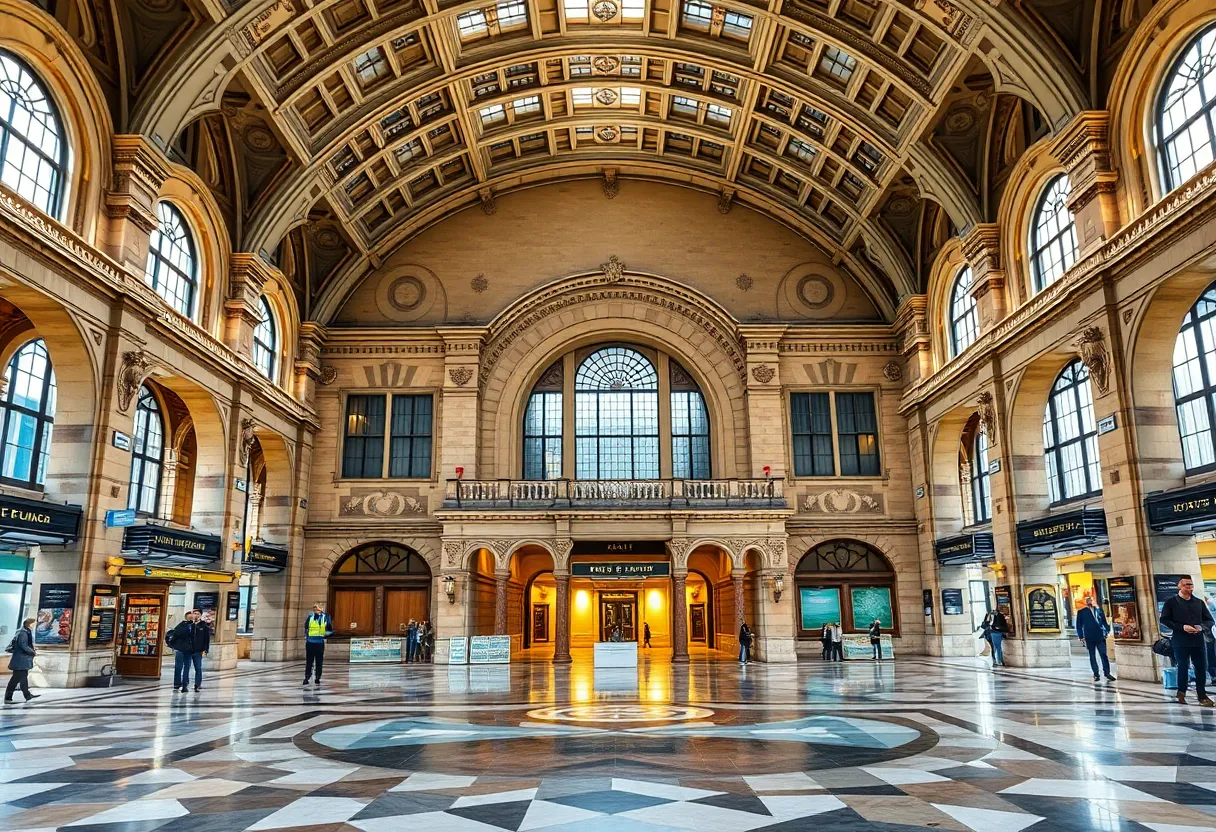
Originally opened on December 26, 1913, Michigan Central Station was once the tallest train station in the world. Designed by the architects of New York City’s Grand Central Terminal, the Beaux-Arts style building features a three-story depot with 10 gates for trains and an 18-story tower housing more than 500 offices. The station’s main waiting room, adorned with marble floors, high vaulted ceilings, and bronze chandeliers, exemplifies its architectural grandeur.
After ceasing operations in 1988, the station fell into disrepair. In 2018, Ford Motor Company purchased the building with plans to transform it into a hub for its autonomous vehicle development and as an anchor for the company’s Corktown campus. The extensive renovation, costing approximately $950 million, involved over 3,000 workers and 1.7 million hours of labor.
Grand Reopening and Future Plans
The reopening event featured a sold-out concert with performances by Detroit icons such as Diana Ross, Jack White, and Eminem. The restored station now serves as a center for innovation, housing multiple businesses, retail spaces, and more. Future developments include the opening of a Literary Lounge in 2026 and a luxury hotel on the top five floors, with Amtrak service expected to return, bringing new passenger rail and bus connections.
Background Context
Michigan Central Station was built to accommodate increased rail traffic, including the Detroit-Windsor rail tunnel, which opened in 1910. The station’s design aimed to stimulate development in the surrounding area. Over the years, it became a symbol of Detroit’s decline but is now poised to play a pivotal role in the city’s resurgence.
Key Features of Michigan Central Station
| Feature | Description |
|---|---|
| Architectural Design | Beaux-Arts style with marble floors, vaulted ceilings, and bronze chandeliers |
| Historical Significance | Opened in 1913; once the tallest train station in the world |
| Renovation Details | Completed in 2024; cost approximately $950 million; involved over 3,000 workers |
| Future Developments | Literary Lounge opening in 2026; luxury hotel on top five floors; Amtrak service returning |
Frequently Asked Questions (FAQ)
What is Michigan Central Station?
Michigan Central Station is a historic train station in Detroit, Michigan, known for its Beaux-Arts architectural style and significant role in the city’s history.
When did Michigan Central Station reopen?
The station reopened on June 6, 2024, after a six-year renovation led by Ford Motor Company.
What are the future plans for Michigan Central Station?
Future developments include the opening of a Literary Lounge in 2026, a luxury hotel on the top five floors, and the return of Amtrak service, bringing new passenger rail and bus connections to the station.
Who led the renovation of Michigan Central Station?
The renovation was led by Ford Motor Company, which purchased the building in 2018 with plans to transform it into a hub for its autonomous vehicle development and as an anchor for the company’s Corktown campus.
What is the historical significance of Michigan Central Station?
Opened in 1913, the station was once the tallest train station in the world and served as a symbol of Detroit’s prominence in the early 20th century. Its design aimed to accommodate increased rail traffic, including the Detroit-Windsor rail tunnel, which opened in 1910.
Deeper Dive: News & Info About This Topic
HERE Resources
Detroit’s Michigan Central Station Hosts Annual Winter Celebration
Michigan’s Auto Industry Maintains Leadership Amid Rising Competition
Detroit Celebrates ’25 Days of December’ to Boost Small Businesses
Corktown Renovation: Building AlumniFi Field and Community Housing
Detroit Housing Sector Boosted by $5 Million Grants
Major Renovation of Historic Corktown Home Underway
Detroit’s Home Repair Revolution: Building a Safer Community
Renovation Trends for Historic Homes and Architecture
Streamlined Renovation Solutions for Michigan Homeowners
Reconstruction and Economic Development in Detroit