

Detroit, MI, January 15, 2026
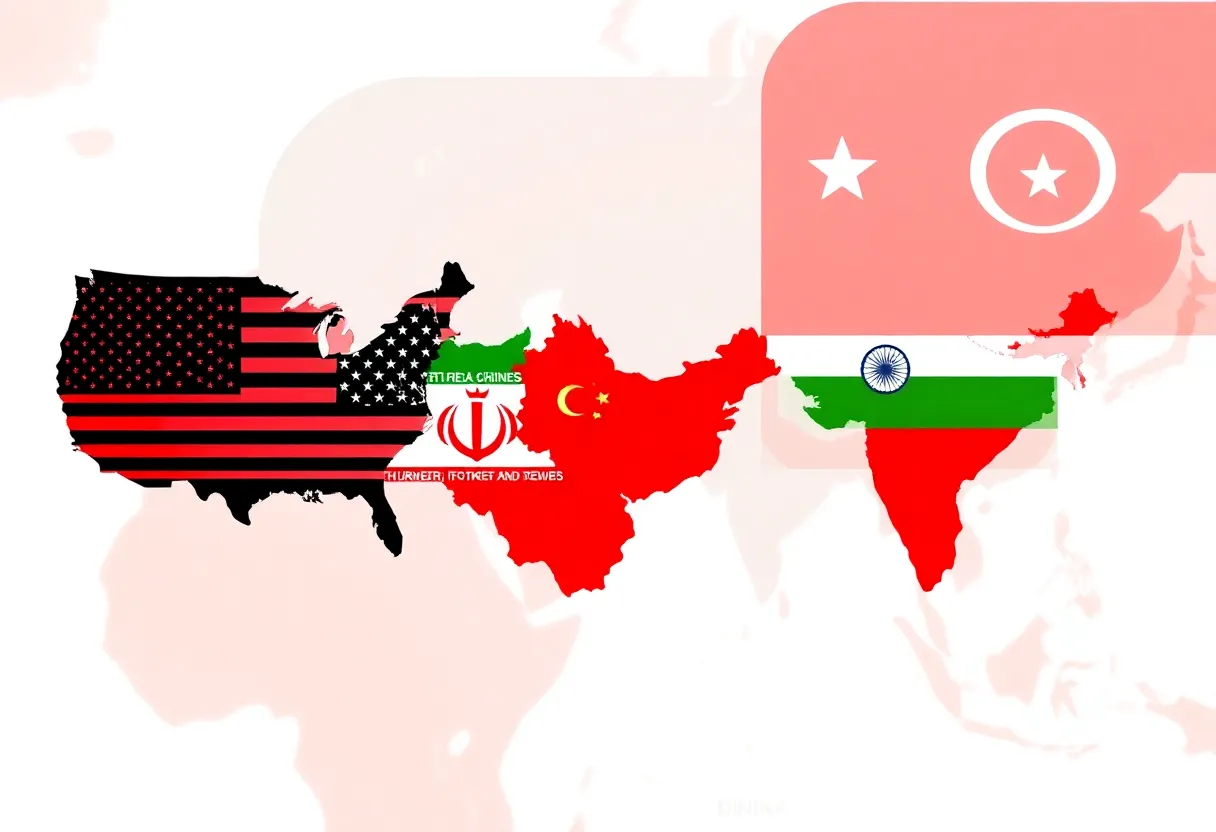
President Donald Trump has announced a 25% tariff on imports from countries that engage in trade with Iran, escalating economic tensions and potentially affecting global markets. Major economies such as China, Turkey, and India will be impacted as they navigate their trade relationships amid ongoing protests in Iran. This strategic move aims to increase pressure on Tehran while raising concerns about supply chains and economic stability in the affected countries.
U.S. Tariffs on Iran’s Trading Partners: Impact and Implications
Escalating Tensions with Economic Measures
Detroit, MI – In a significant move aimed at reshaping international trade dynamics, President Donald Trump has announced a 25% tariff on imports from countries that engage in trade with Iran. This decision comes amid ongoing protests in Iran and reflects a strategy to maximize economic pressure on Tehran in response to its crackdown on dissent. The implications of these tariffs will be closely monitored as they could have far-reaching effects not just for Iran, but also for major economies such as China, Turkey, and India.
The tariffs are effective immediately and encompass all imports from nations that maintain trade relations with Iran. This sweeping measure aims to force countries to choose between their economic ties with Tehran and access to the U.S. market. The necessity of balancing trade relationships is crucial given the stakes involved, with potential ramifications for regional and global markets.
Impact on Affected Countries
China’s Economic Ties with Iran
As Iran’s largest trading partner, China imports over 80% of Iran’s oil exports, making the new tariffs particularly impactful. Disruption in this substantial relationship could lead to increased costs for Chinese manufacturers, ultimately affecting not just bilateral relations but also wider global supply chains.
Turkey’s Trade Connections
Turkey’s trade with Iran, valued at approximately $11 billion in 2024, involves significant exports that may now face stringent tariffs. Industries within Turkey that rely on Iranian imports, such as textiles and machinery, may bear the brunt of these tariffs, jeopardizing their competitive advantage and stirring economic apprehensions.
India’s Modest Trade Relations
India’s relationship with Iran, although more modest – totaling $1.34 billion in the first ten months of 2025 – is still important. Key exports from India such as basmati rice, fruits, vegetables, and pharmaceuticals could see changes in demand due to the tariffs. However, analysts suggest that the overall impact on India’s economy will likely remain minimal given the limited scale of its trade with Iran.
Global Reactions to the Tariffs
The international response to the U.S. tariffs has been mixed. China has raised concerns about potential disruptions to its trade with Iran and the consequences for global supply chains, while Turkey has similarly expressed its apprehensions about the economic fallout. In contrast, India remains optimistic about the limited impact, emphasizing its relatively low trade volume with Iran.
Background Context
The imposition of tariffs follows ongoing sanctions intended to curb Iran’s nuclear ambitions and regional activities. With Iran’s total imports approximately valued at $68 billion in 2024, involving key partners also pressured by the U.S., the tension continues to rise. The backdrop of unrest within Iran, marked by significant anti-government protests leading to human rights concerns, further complicates the situation.
Conclusion
The recent tariffs on nations trading with Iran are emblematic of a strategy to exert maximum pressure on a government facing internal dissent and international criticism. As economic implications unfold in the coming weeks, businesses and governments alike will need to navigate this complex landscape. Local entrepreneurs and stakeholders in Detroit and beyond should remain vigilant and supportive of market diversification, potentially seeking out opportunities for innovation and growth amidst a shifting global trade environment.
Frequently Asked Questions (FAQ)
What is the new U.S. tariff on Iran’s trading partners?
The United States has imposed a 25% tariff on imports from countries that engage in trade with Iran. This measure aims to pressure Iran amid ongoing protests and human rights concerns.
Which countries are affected by this tariff?
Major economies such as China, Turkey, and India are impacted by the new U.S. tariffs due to their trade relations with Iran.
How does this tariff affect China?
China, as Iran’s largest trading partner, imports over 80% of Iran’s oil exports. The new tariffs could disrupt this substantial trade relationship, potentially leading to increased costs for Chinese manufacturers and affecting the broader supply chain.
What is the impact on Turkey?
Turkey maintains strong bilateral trade with Iran, with exports to Iran totaling approximately $11 billion in 2024. The U.S. tariffs may impact Turkish industries that rely on Iranian imports, such as textiles and machinery.
How does this affect India?
India has a more modest trade relationship with Iran, with bilateral trade reaching $1.34 billion in the first ten months of 2025. Major Indian exports to Iran include basmati rice, fruits, vegetables, and pharmaceuticals. While the new tariffs may affect these sectors, the overall impact on India’s economy is expected to be minimal due to the relatively low volume of trade.
What are the global reactions to these tariffs?
International responses have varied. China has expressed concerns over potential disruptions to its trade with Iran and the broader implications for global supply chains. Turkey has voiced apprehension about the economic impact on its industries. India anticipates minimal overall impact due to the limited scale of trade with Iran.
What is the background context of these tariffs?
The U.S. decision to impose tariffs on Iran’s trading partners follows a series of sanctions aimed at pressuring Tehran over its nuclear program and regional activities. The escalation coincides with significant unrest within Iran, where anti-government protests have intensified, prompting international concern over human rights violations.
FAQ Schema in JSON-LD Format
{
  "@context": "https://schema.org",
  "@type": "FAQPage",
  "mainEntity": [
    {
      "@type": "Question",
      "name": "What is the new U.S. tariff on Iran's trading partners?",
      "acceptedAnswer": {
        "@type": "Answer",
        "text": "The United States has imposed a 25% tariff on imports from countries that engage in trade with Iran. This measure aims to pressure Iran amid ongoing protests and human rights concerns."
      }
    },
    {
      "@type": "Question",
      "name": "Which countries are affected by this tariff?",
      "acceptedAnswer": {
        "@type": "Answer",
        "text": "Major economies such as China, Turkey, and India are impacted by the new U.S. tariffs due to their trade relations with Iran."
      }
    },
    {
      "@type": "Question",
      "name": "How does this tariff affect China?",
      "acceptedAnswer": {
        "@type": "Answer",
        "text": "China, as Iran's largest trading partner, imports over 80% of Iran's oil exports. The new tariffs could disrupt this substantial trade relationship, potentially leading to increased costs for Chinese manufacturers and affecting the broader supply chain."
      }
    },
    {
      "@type": "Question",
      "name": "What is the impact on Turkey?",
      "acceptedAnswer": {
        "@type": "Answer",
        "text": "Turkey maintains strong bilateral trade with Iran, with exports to Iran totaling approximately $11 billion in 2024. The U.S. tariffs may impact Turkish industries that rely on Iranian imports, such as textiles and machinery."
      }
    },
    {
      "@type": "Question",
      "name": "How does this affect India?",
      "acceptedAnswer": {
        "@type": "Answer",
        "text": "India has a more modest trade relationship with Iran, with bilateral trade reaching $1.34 billion in the first ten months of 2025. Major Indian exports to Iran include basmati rice, fruits, vegetables, and pharmaceuticals. While the new tariffs may affect these sectors, the overall impact on India's economy is expected to be minimal due to the relatively low volume of trade."
      }
    },
    {
      "@type": "Question",
      "name": "What are the global reactions to these tariffs?",
      "acceptedAnswer": {
        "@type": "Answer",
        "text": "International responses have varied. China has expressed concerns over potential disruptions to its trade with Iran and the broader implications for global supply chains. Turkey has voiced apprehension about the economic impact on its industries. India anticipates minimal overall impact due to the limited scale of trade with Iran."
      }
    },
    {
      "@type": "Question",
      "name": "What is the background context of these tariffs?",
      "acceptedAnswer": {
        "@type": "Answer",
        "text": "The U.S. decision to impose tariffs on Iran's trading partners follows a series of sanctions aimed at pressuring Tehran over its nuclear program and regional activities. The escalation coincides with significant unrest within Iran, where anti-government protests have intensified, prompting international concern over human rights violations."
      }
    }
  ]
}
Key Features of the U.S. Tariff on Iran’s Trading Partners
| Feature | Description |
|---|---|
| Tariff Rate | 25% on imports from countries trading with Iran |
| Effective Date | Immediate |
| Affected Countries | China, Turkey, India, and others |
| Purpose | To pressure Iran amid ongoing protests and human rights concerns |
| Potential Impact on China | Disruption of substantial trade relations, increased costs for manufacturers |
| Potential Impact on Turkey | Impact on industries relying on Iranian imports, such as textiles and machinery |
| Potential Impact on India | Minimal overall impact due to low volume of trade with Iran |
Deeper Dive: News & Info About This Topic
HERE Resources
Trump’s Comments on Media Careers and U.S. Foreign Policy
Protesters Rally Against ICE Tactics in Detroit
Trump Exits G7 Early Over Escalating Israel-Iran Tensions
The Dramatic Shift in Trump’s Wealth: From Billions to Billions Less