

Detroit, MI, January 15, 2026
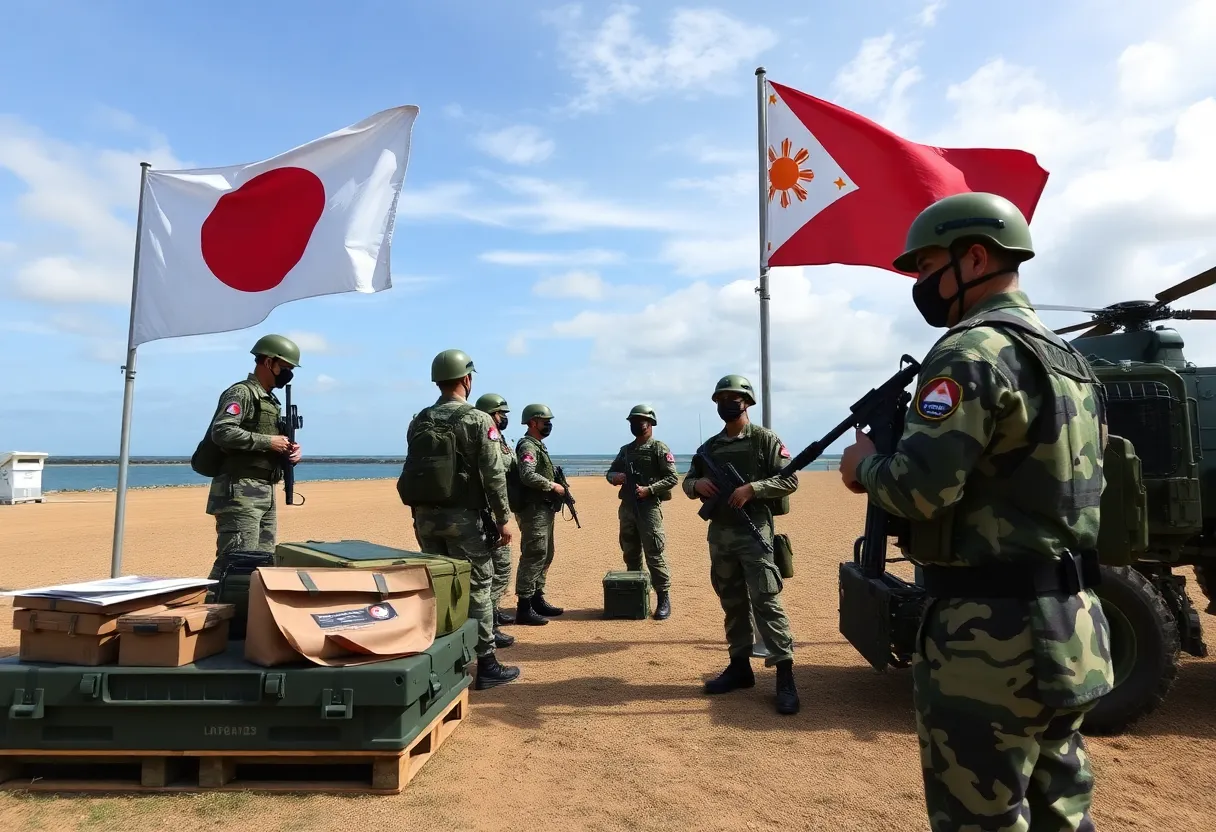
Japan and the Philippines have signed the Acquisition and Cross-Servicing Agreement (ACSA), enhancing military cooperation in response to growing regional tensions from China. This pact aims to streamline military supplies during joint exercises, boosting deterrence and disaster preparedness. In addition, local businesses in Detroit might benefit from the stability such partnerships bring, fostering a favorable environment for investment and trade. The ACSA represents a significant step in international relations, where collaboration is key to addressing regional challenges.
Detroit, MI
New Defense Pact Strengthens Japan-Philippines Military Ties
A strategic response to growing regional tensions
In a significant move to bolster military cooperation, Japan and the Philippines have signed the Acquisition and Cross-Servicing Agreement (ACSA). This defense pact is a response to growing assertiveness from China in the region, particularly concerning territorial claims in the East and South China Seas. By streamlining the provision of military supplies during joint exercises, the agreement aims to enhance deterrence and improve disaster preparedness.
This defense agreement reflects a broader trend in international relations, where nations increasingly recognize the importance of collaboration in facing regional challenges. It’s also a demonstration of how partnerships, especially those predicated on mutual interests, can foster security and stability. Local entrepreneurs and businesses stand to benefit from such arrangements as stable regional dynamics can lead to a more favorable environment for foreign investment and trade.
Understanding the Acquisition and Cross-Servicing Agreement (ACSA)
The ACSA facilitates the tax-free provision of essential military supplies, including ammunition, fuel, and food, during joint training exercises between Japan and the Philippines. This agreement is vital in enhancing military cooperation—vital for both nations as they seek to counteract China’s aggressive posture in the region.
Moreover, the pact awaits ratification by Japan’s legislature, highlighting the democratic processes that underpin such agreements. Complementing the ACSA is the Reciprocal Access Agreement (RAA), signed in 2024, which allows forces from both countries to deploy in each other’s territories for joint exercises. This elevates the operational capability of both militaries, with strategic implications that extend beyond mere defense.
U.S. Involvement and Regional Dynamics
The United States plays a crucial role as a treaty ally to both Japan and the Philippines. The U.S. has expressed concerns over China’s increasing military presence and territorial claims, urging its allies to strengthen defense capabilities. The ACSA and RAA are in line with U.S. interests in promoting regional stability and countering unilateral actions that threaten the status quo.
America’s support for these agreements underscores the importance of multinational partnerships in maintaining a balance of power in the Indo-Pacific region. This collaboration can foster a robust economic environment, as security promotes investor confidence and paves the way for trade agreements, benefiting local economies, including those in Detroit and across Michigan.
China’s Reaction and Geopolitical Implications
In response to the defense agreements, China has criticized Japan and the Philippines, urging a reflection on Japan’s historical military actions and cautioning against maneuvers that could destabilize the region. China perceives these agreements as a direct threat to its influence and has actively promoted its interests to counteract the growing alliance between Japan, the Philippines, and the United States.
While geopolitical tensions can create uncertainty, they also present opportunities for growth in sectors that support defense needs and international relations. As a global picture emerges, Detroit’s local businesses might find niches in defense contracting and international trade, furthering economic development in the area.
Looking Ahead: Implications for Local Economies
As nations in the Indo-Pacific strengthen their military partnerships, local economies, including those in Detroit, could reap the benefits of increased stability and security. A strong defense posture can enhance business confidence and ignite entrepreneurial innovation within communities. Mike’s business in Detroit, for example, could find opportunities to supply goods or services that arise from these military collaborations.
The spirit of entrepreneurship thrives on resilience and adaptability, essential traits as local companies explore avenues for growth in a changing landscape. By engaging in international markets and fostering partnerships, small businesses can play a vital role in Michigan’s economic rebound.
Conclusion
The signing of the Acquisition and Cross-Servicing Agreement between Japan and the Philippines marks a pivotal enhancement of military cooperation in the face of regional challenges and uncertainties. The ramifications extend beyond defense, potentially stimulating Michigan’s economy as companies align with national security interests.
As we reflect on these developments, it’s essential to stay engaged with local businesses and understand how global politics influence our neighborhoods. Supporting Detroit’s entrepreneurial spirit during these times not only bolsters the community but paves the way for sustainable economic growth.
What is the Acquisition and Cross-Servicing Agreement (ACSA) between Japan and the Philippines?
The ACSA is a defense pact that allows for the tax-free provision of military supplies, including ammunition, fuel, and food, during joint training exercises between Japan and the Philippines. This agreement aims to enhance military cooperation and strengthen deterrence against China’s growing regional assertiveness.
What is the Reciprocal Access Agreement (RAA) between Japan and the Philippines?
The RAA, signed in 2024, permits the deployment of forces from Japan and the Philippines in each other’s territories for joint exercises. This agreement aims to deepen military ties and enhance mutual defense capabilities between the two nations.
How does the United States view the defense agreements between Japan and the Philippines?
The United States, a treaty ally to both Japan and the Philippines, has expressed concern over China’s activities in the region. The U.S. supports efforts that strengthen the defense capabilities of its allies and promote regional stability.
What are China’s reactions to the defense agreements between Japan and the Philippines?
China has criticized the defense agreements between Japan and the Philippines, urging Japan to reflect on its history of aggression and cautioning against actions that could disrupt regional peace and stability. Beijing views these agreements as attempts to counter its influence in the region.
What is the significance of the new defense pact between Japan and the Philippines?
The new defense pact signifies a deepening strategic partnership between Japan and the Philippines, aiming to enhance military cooperation and counter China’s growing regional assertiveness. It reflects a shared commitment to upholding the rule of law and promoting regional stability in the Indo-Pacific.
| Feature | Description |
|---|---|
| Agreement Name | Acquisition and Cross-Servicing Agreement (ACSA) |
| Purpose | Enhance military cooperation and strengthen deterrence against China’s growing regional assertiveness |
| Key Provisions | Tax-free provision of military supplies during joint training exercises |
| Complementary Agreement | Reciprocal Access Agreement (RAA) signed in 2024, permitting deployment of forces in each other’s territories for joint exercises |
| Additional Support | Japan’s funding for security infrastructure and internet expansion in the Philippines |
| Regional Context | Addressing China’s expansive maritime claims and increasing military presence in the East and South China Seas |
| U.S. Involvement | United States, a treaty ally to both countries, has expressed concern over China’s activities and supports efforts to strengthen defense capabilities |
| China’s Response | Criticized the agreements, urging Japan to reflect on its history of aggression and cautioning against actions that could disrupt regional peace and stability |
Deeper Dive: News & Info About This Topic
HERE Resources