

Detroit, Michigan, February 8, 2026
Car dealerships in Detroit are increasingly worried about rising vehicle prices, which stem from supply chain disruptions, increased manufacturing costs, and inflation. This situation is leading to a drop in consumer purchasing power, longer sales cycles, and heightened inventory levels. In response, dealerships are implementing strategies like financing incentives and expanding used vehicle inventories to attract buyers. The current economic climate is casting uncertainty over the automotive industry in Detroit, which has traditionally been a key player in the city’s economy.
Detroit Dealers Grapple with Rising Vehicle Prices Amid Economic Woe
Growing concerns among Detroit’s dealerships highlight the impact of economic fluctuations on vehicle affordability and sales strategies.
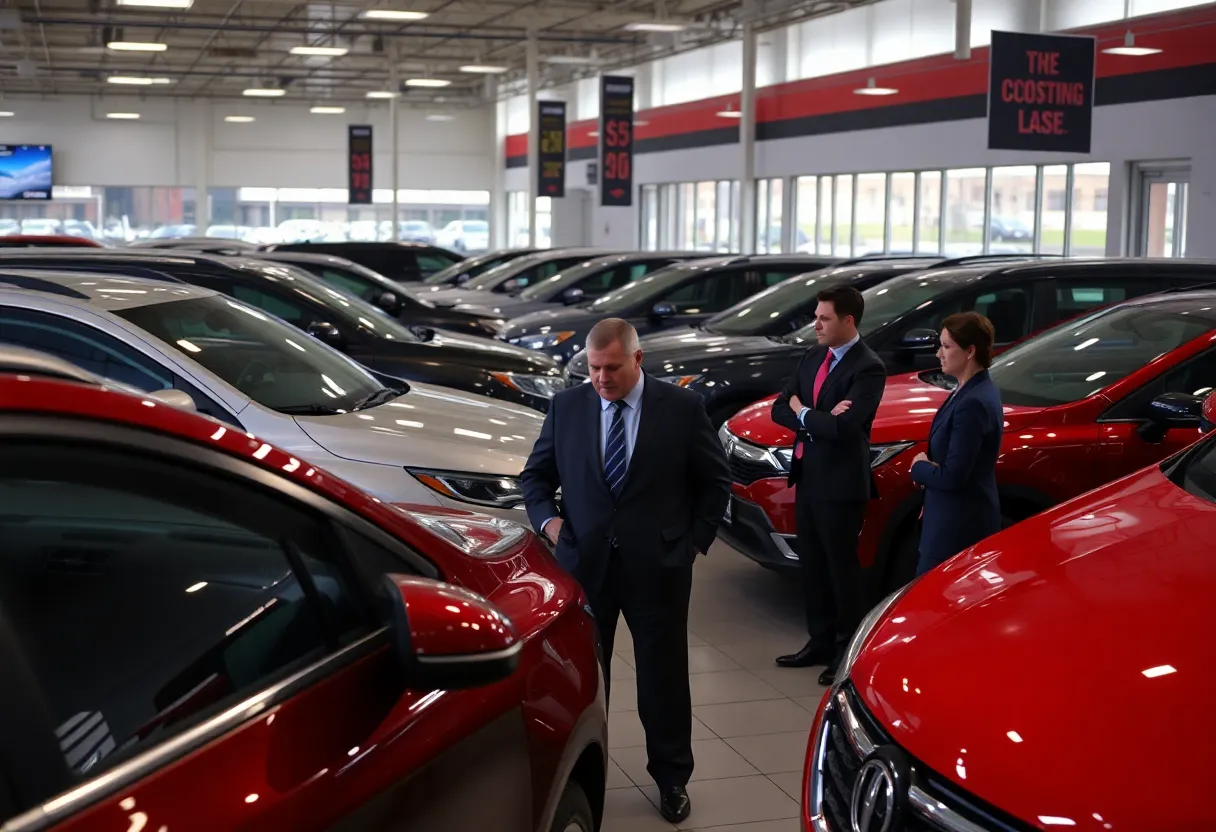
Detroit, Michigan – Car dealerships in Detroit are expressing growing concerns over escalating vehicle prices amid an uncertain economic climate. Dealers report that rising costs are deterring potential buyers, leading to increased inventory and reduced sales.
Escalating Vehicle Prices
Dealerships are witnessing a significant uptick in vehicle prices, attributed to factors such as supply chain disruptions, increased manufacturing costs, and inflationary pressures. This surge is making it challenging for consumers to afford new vehicles, resulting in longer sales cycles and higher inventory levels for dealers.
Impact on Sales and Inventory
The combination of higher prices and economic uncertainty has led to a noticeable decline in consumer purchasing power. Dealers are reporting slower sales and an accumulation of unsold inventory, which could impact profitability and operational efficiency.
Economic Uncertainty
The broader economic environment, characterized by fluctuating interest rates and inflation concerns, is contributing to consumer hesitancy. Potential buyers are becoming more cautious, opting to delay purchases or seek more affordable alternatives, further affecting dealership sales.
Industry Response
In response to these challenges, some dealerships are exploring strategies such as offering financing incentives, expanding used vehicle inventories, and enhancing customer service to attract buyers. However, the effectiveness of these measures remains to be seen as the economic situation continues to evolve.
Background Context
Detroit’s automotive industry has historically been a cornerstone of the city’s economy. The current challenges faced by car dealerships reflect broader trends in the automotive sector, where manufacturers and retailers are grappling with supply chain issues, rising production costs, and shifting consumer behaviors.
Conclusion
As Detroit car dealerships navigate the complexities of rising vehicle prices and economic uncertainty, the industry is seeking adaptive strategies to maintain sales and customer engagement. The situation underscores the need for ongoing innovation and responsiveness to market dynamics in the automotive retail sector.
Frequently Asked Questions (FAQ)
What factors are contributing to the rise in vehicle prices?
The increase in vehicle prices is due to supply chain disruptions, higher manufacturing costs, and inflationary pressures.
How are dealerships responding to reduced sales?
Dealerships are offering financing incentives, expanding used vehicle inventories, and enhancing customer service to attract buyers.
What is the broader impact of economic uncertainty on the automotive industry?
Economic uncertainty leads to consumer hesitancy, affecting purchasing decisions and overall sales in the automotive sector.
Key Features
| Feature | Description |
|---|---|
| Escalating Vehicle Prices | Significant increase in vehicle prices due to supply chain disruptions, higher manufacturing costs, and inflationary pressures. |
| Impact on Sales and Inventory | Decline in consumer purchasing power leading to slower sales and accumulation of unsold inventory for dealerships. |
| Economic Uncertainty | Fluctuating interest rates and inflation concerns contributing to consumer hesitancy and delayed purchases. |
| Industry Response | Dealerships exploring strategies such as financing incentives, expanding used vehicle inventories, and enhancing customer service to attract buyers. |
| Background Context | Detroit’s automotive industry facing challenges due to supply chain issues, rising production costs, and shifting consumer behaviors. |
Deeper Dive: News & Info About This Topic
HERE Resources
Impact of Tariffs on Detroit’s Economy
Detroit’s Dealerships Embrace Online Sales Revolution
Detroit’s Luxury Real Estate Market Surges
Michigan Judge Denies Injunction on Cannabis Tax
Discover the Welcome Mat Market in Clinton Township, Michigan
Car Shopping Trends and Tips in Detroit
Michigan’s Economic Forecast Reveals Modest Growth Ahead
Ford CEO Stresses Importance of USMCA for Automotive Industry
President Trump’s Visit to Detroit Highlights Economic Issues
President Trump to Speak at Detroit Economic Club