

Detroit, January 9, 2026
The Michigan State Housing Development Authority has allocated the final $3.2 million from the Employer-Assisted Housing Fund to support affordable housing projects in Detroit and Kalamazoo. This funding will help build affordable homes for local workers, promoting homeownership and addressing the pressing housing needs in the region. The projects reflect collaboration with local employers and innovative construction methods, underpinning a commitment to enhance housing availability and workforce sustainability.
Detroit, Michigan
The Michigan State Housing Development Authority (MSHDA) has allocated the final $3.2 million from its Employer-Assisted Housing Fund to support housing projects in Detroit and Kalamazoo, addressing the pressing need for affordable housing for local workers.
Detroit Project Details
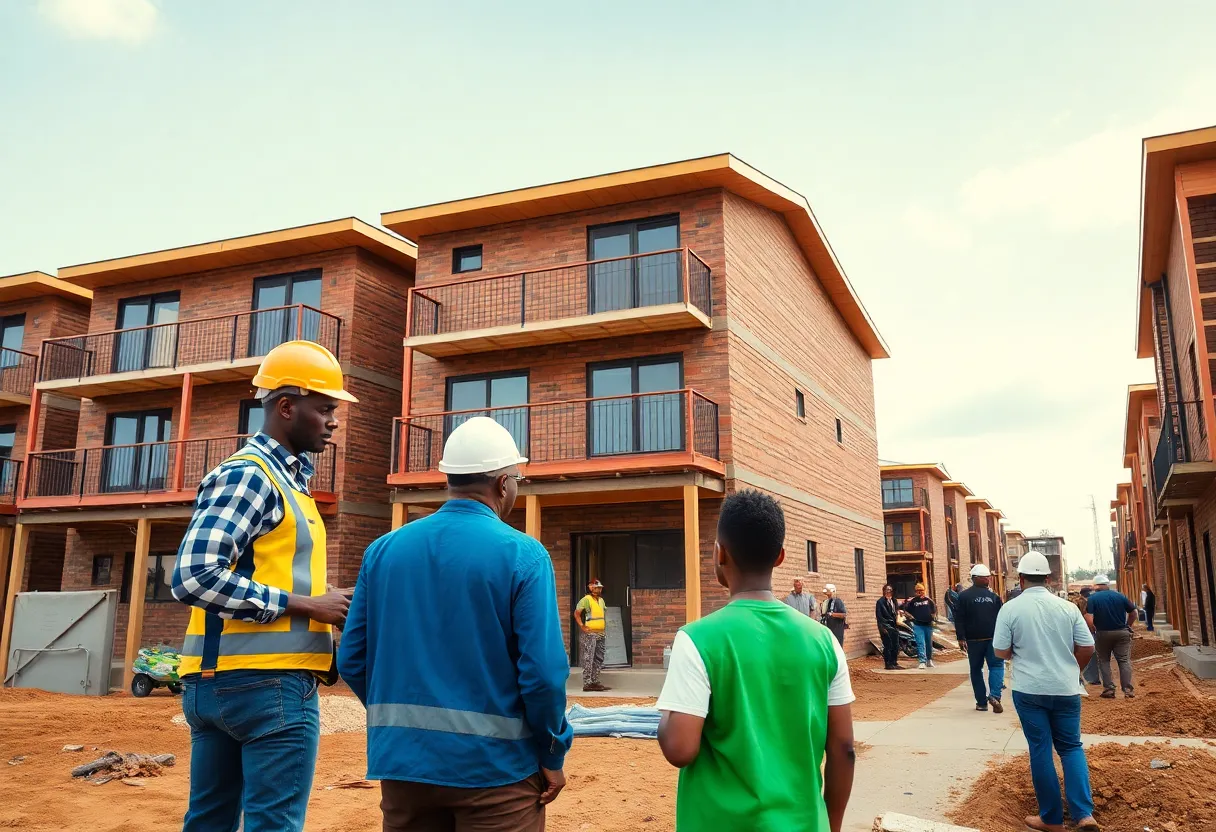
In Detroit, the funding will facilitate the development of 12 affordable for-sale housing units on vacant residential lots. This initiative involves collaboration with multiple local employers who will provide matching contributions to support the project. The homes are designed for households earning up to 120% of the Area Median Income (AMI), aiming to offer affordable homeownership opportunities and promote wealth building among residents. The project also incorporates innovative construction methods, including 3D concrete printing for both external and internal framing. The total development cost is approximately $1.21 million, utilizing the full remaining balance of the Employer-Assisted Housing Fund. The project aligns with the 2025-2030 Detroit Affordable Housing Strategy, supporting the goal to increase the availability of affordable housing in the region.
Kalamazoo Project Details
In Kalamazoo, the funding will support the construction of affordable housing units for employees of Bronson Methodist Hospital. This project aims to provide convenient and affordable living options for hospital staff, enhancing employee retention and satisfaction. Specific details regarding the number of units and the total development cost have not been disclosed. The initiative underscores the importance of employer involvement in addressing housing challenges faced by their workforce.
Background on the Employer-Assisted Housing Fund
The Employer-Assisted Housing Fund was established with a $10 million allocation from the state budget to assist employers in investing in housing solutions for income-eligible households. The fund encourages employers to contribute matching funds—such as cash investments, land donations, or below-market interest loans—to develop new housing options for local workers. Both homeownership and rental opportunities are created through this program, with the goal of serving approximately 150-200 households. The fund is designed to address the mismatch between job growth and housing availability, ensuring that workers have access to affordable homes near their places of employment. The program has been instrumental in fostering public-private partnerships to tackle housing affordability issues across Michigan.
Future of the Employer-Assisted Housing Fund
Despite the successful deployment of the initial $10 million, the Employer-Assisted Housing Fund has not been allocated additional funding in the most recent state budget. Housing officials have expressed concern over the lack of continued support, highlighting the ongoing demand for affordable housing solutions. The success of the fund in Detroit and Kalamazoo demonstrates the effectiveness of employer-assisted housing initiatives in addressing local housing needs. Stakeholders are advocating for renewed investment to sustain and expand these efforts, emphasizing the critical role of affordable housing in supporting Michigan’s workforce and economic growth.
Frequently Asked Questions (FAQ)
What is the Employer-Assisted Housing Fund?
The Employer-Assisted Housing Fund is a state-funded initiative designed to help employers invest in housing solutions for income-eligible households. It encourages employers to contribute matching funds to develop new housing options for local workers, aiming to address the mismatch between job growth and housing availability in Michigan.
How much funding was allocated to the Detroit and Kalamazoo projects?
A total of $3.2 million from the Employer-Assisted Housing Fund was allocated to support housing projects in Detroit and Kalamazoo. This funding will facilitate the development of affordable housing units for local workers in both cities.
What are the eligibility criteria for the housing units developed under this fund?
The housing units developed under the Employer-Assisted Housing Fund are designed for households earning up to 120% of the Area Median Income (AMI). This ensures that the homes remain affordable for a significant portion of the local workforce.
How does the Employer-Assisted Housing Fund benefit employers?
Employers benefit from the Employer-Assisted Housing Fund by contributing matching funds to develop housing options for their workforce. This initiative can enhance employee retention, satisfaction, and productivity by providing affordable living options close to the workplace.
Is the Employer-Assisted Housing Fund still accepting applications?
As of now, the Employer-Assisted Housing Fund is not accepting new applications. The program has utilized its initial $10 million allocation, and there has been no additional funding approved in the most recent state budget. Housing officials are advocating for renewed investment to continue supporting affordable housing initiatives in Michigan.
Key Features of the Employer-Assisted Housing Fund
| Feature | Description |
|---|---|
| Funding Allocation | $10 million initial allocation from the state budget |
| Employer Participation | Employers contribute matching funds such as cash investments, land donations, or below-market interest loans |
| Targeted Households | Households earning up to 120% of the Area Median Income (AMI) |
| Project Types | Both homeownership and rental housing opportunities |
| Program Goal | Address the mismatch between job growth and housing availability in Michigan |
Deeper Dive: News & Info About This Topic
HERE Resources
Congresswoman Tlaib Advocates for Restoration of ACA Tax Credits
Urgent Measures Needed to Preserve Michigan’s $348 Billion Auto Industry
Invest Detroit Secures $55 Million in New Markets Tax Credits
Michigan Businesses Navigate a Weaker Dollar
Gas Prices Rise in Michigan Amid Holiday Season
Detroit Mayor-Elect Mary Sheffield’s Transition Fund Reaches $2 Million
Flint Named Most Affordable City for Homebuyers in the U.S.
Michigan Central Station Reopens, Paving the Way for Detroit’s Future
Swift $50 Cash Relief Program Supports Families in Detroit
Mortgage Rate Declines to 6.18% – What It Means for Detroit

Author: STAFF HERE DETROITMI WRITER
DETROIT STAFF WRITER The DETROIT STAFF WRITER represents the experienced team at HEREDetroitMI.com, your go-to source for actionable local news and information in Detroit, Wayne County, and beyond. Specializing in "news you can use," we cover essential topics like product reviews for personal and business needs, local business directories, politics, real estate trends, neighborhood insights, and state news affecting the area—with deep expertise drawn from years of dedicated reporting and strong community input, including local press releases and business updates. We deliver top reporting on high-value events such as Movement Electronic Music Festival, Detroit Grand Prix, and America's Thanksgiving Parade. Our coverage extends to key organizations like the Detroit Regional Chamber and Focus HOPE, plus leading businesses in automotive and healthcare that power the local economy such as General Motors, Ford Motor Company, and Henry Ford Health. As part of the broader HERE network, including HEREGrandRapids.com, HERENorthville.com, HERENovi.com, and HEREPlymouth.com, we provide comprehensive, credible insights into Michigan's dynamic landscape.