

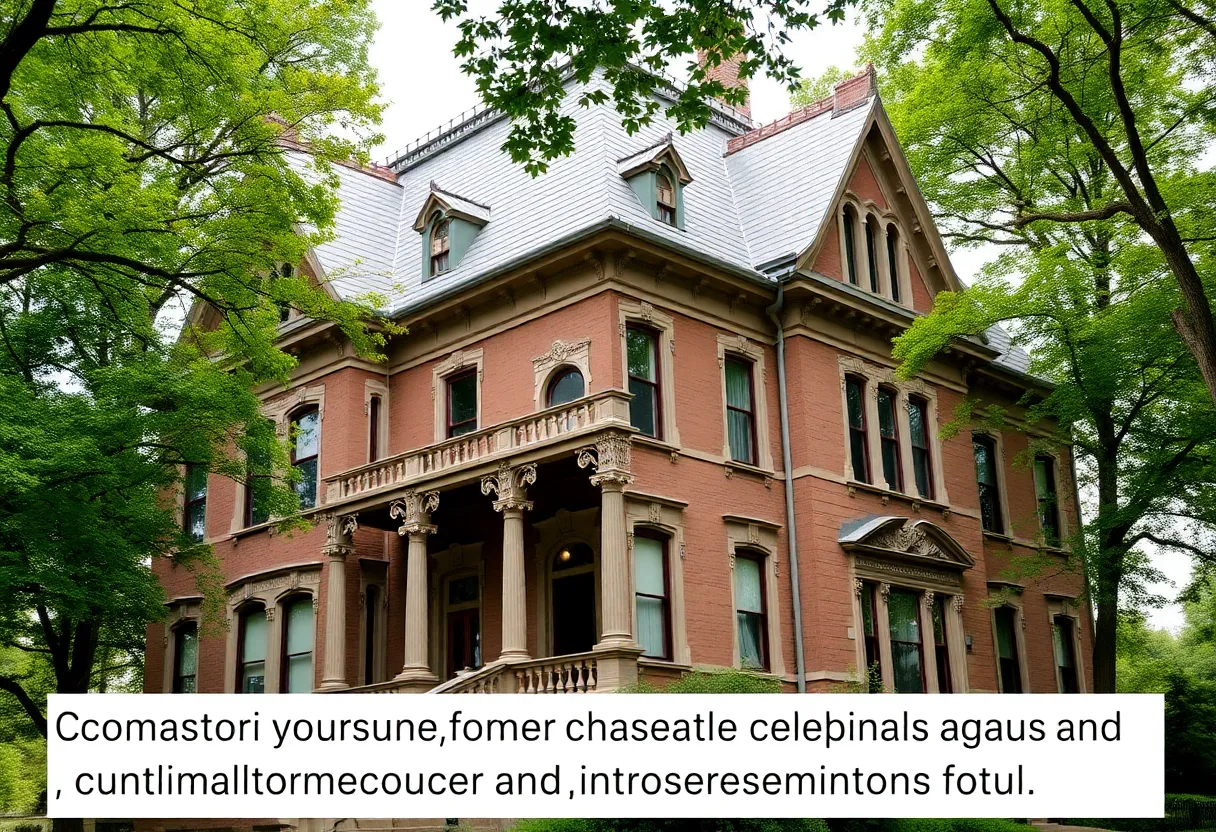
Saline, Michigan, January 14, 2026
The Saline City Council has voted to purchase the Davenport-Curtiss Mansion for $3 million, aiming to preserve the historic landmark and promote community use. This decision, made in a close 4-3 vote, reflects the city’s commitment to maintaining its cultural heritage. Plans include transforming the mansion into a park or museum for residents. The acquisition will be funded through the city’s general fund, with intentions for reimbursement via bond issuance, showcasing fiscal responsibility and community-driven development.
Saline City Council Approves Historic Davenport-Curtiss Mansion Purchase
A Bold Step to Preserve Saline’s Heritage
Saline, Michigan – In a significant move to preserve historical landmarks, the Saline City Council has approved the purchase of the Davenport-Curtiss Mansion for $3 million. This decision, made in a narrow 4-3 vote, highlights the community’s commitment to preserving its rich heritage while exploring innovative ideas for public use. The historic mansion, constructed in 1875 and listed on the National Register of Historic Places, will likely be repurposed into a community park or museum, benefiting local residents and emphasizing the positive aspects of historical preservation.
The acquisition is set to be financed through the city’s general fund, with plans to reimburse it via a bond issuance. This approach reflects fiscal responsibility and underscores the potential for community-driven development in Saline, encouraging local investment in historic preservation while fostering a sense of pride among residents.
Details of the Acquisition
The Saline City Council finalized the decision to acquire the Davenport-Curtiss Mansion during a recent meeting. Situated at 300 East Michigan Avenue, this iconic structure has been a prominent landmark since its construction in 1875. The mansion represents a pivotal step in the city’s ongoing efforts to maintain its historical identity while engaging actively with the public.
Historical Significance of the Mansion
The Davenport-Curtiss Mansion is an exceptional example of Second Empire architecture, designed by Detroit architect William Scott. Built for William H. Davenport, a key figure in local commerce and the founder of Saline’s first bank, the mansion showcases distinctive architectural features such as a slate-covered mansard roof, a corner tower, and intricate bracketry. Inside, visitors are greeted by high ceilings, hardwood trim, and unique antique furnishings sourced from the 1876 Philadelphia Centennial Exposition. With its addition to the National Register of Historic Places in 1975, the mansion stands as a testament to Saline’s architectural and cultural heritage.
Community and Council Perspectives
The decision to purchase the mansion has sparked diverse opinions among Saline residents and city officials. Proponents view the acquisition as a meaningful opportunity to honor the past while providing a space that fosters community engagement. Conversely, some residents express concerns about the financial implications, including potential tax burdens. The city council’s decision reflects an intention to balance the preservation of Saline’s heritage with the fiscal responsibilities of local governance.
Next Steps and Future Plans
Looking ahead, a working group will be dedicated to assessing the mansion’s condition, exploring potential uses, and soliciting public input. This initiative aims to ensure that the property’s future aligns with community interests and fosters its historical significance. The working group is expected to deliver findings and recommendations within the next three years to help guide the city’s decisions regarding the mansion’s future.
Background Context
The Davenport-Curtiss Mansion has played a crucial role in Saline’s historical preservation narrative. Previous agreements have paved the way for this acquisition, including a goodwill agreement with the Curtiss family established in September 2025. This agreement initiated the formal due diligence process, positioning the city for a proactive approach to preserving important historical landmarks.
Conclusion
The Saline City Council’s decision to purchase the Davenport-Curtiss Mansion marks a significant milestone in the city’s efforts to uphold its rich history. The forthcoming working group’s endeavors will be instrumental in determining the property’s future use, ensuring it remains a valuable resource for the community as well as a proud symbol of Saline’s heritage.
Frequently Asked Questions (FAQ)
What is the Davenport-Curtiss Mansion?
The Davenport-Curtiss Mansion is a historic Second Empire-style residence built in 1875 for William H. Davenport, a prominent merchant and founder of Saline’s first bank. It is located at 300 East Michigan Avenue in Saline, Michigan, and is listed on the National Register of Historic Places.
Why did the Saline City Council approve the purchase?
The council approved the purchase to preserve the mansion’s historical significance and explore potential public uses, such as a park or museum. The acquisition aims to honor Saline’s heritage and provide a space for community engagement.
How will the purchase be financed?
The $3 million purchase will be financed through the city’s general fund, with plans to reimburse the fund via a bond issuance. This approach aims to manage the financial impact on the city’s budget.
What are the next steps after the purchase approval?
A working group will be established to assess the mansion’s condition, explore potential uses, and gather public input. This process will guide the city’s decisions regarding the property’s future over the next three years.
What is the historical significance of the mansion?
The mansion is a notable example of Second Empire architecture and reflects the prosperity and cultural development of Saline in the late 19th century. It has been a focal point in the city’s historical preservation efforts and is recognized for its architectural and historical importance.
Key Features of the Davenport-Curtiss Mansion
| Feature | Description |
|---|---|
| Architectural Style | Second Empire |
| Year Built | 1875 |
| Location | 300 East Michigan Avenue, Saline, Michigan |
| Historical Significance | Listed on the National Register of Historic Places in 1975 |
| Original Owner | William H. Davenport, merchant and founder of Saline’s first bank |
| Architect | William Scott, Detroit-based architect |
| Notable Features | Slate-covered mansard roof, corner tower, ornate bracketry, corbels, lintels, dormers, high ceilings, hardwood trim, antique furnishings from the 1876 Philadelphia Centennial Exposition |
Deeper Dive: News & Info About This Topic
HERE Resources
Saline City Council to Vote on Historic Mansion Acquisition

Author: STAFF HERE DETROITMI WRITER
DETROIT STAFF WRITER The DETROIT STAFF WRITER represents the experienced team at HEREDetroitMI.com, your go-to source for actionable local news and information in Detroit, Wayne County, and beyond. Specializing in "news you can use," we cover essential topics like product reviews for personal and business needs, local business directories, politics, real estate trends, neighborhood insights, and state news affecting the area—with deep expertise drawn from years of dedicated reporting and strong community input, including local press releases and business updates. We deliver top reporting on high-value events such as Movement Electronic Music Festival, Detroit Grand Prix, and America's Thanksgiving Parade. Our coverage extends to key organizations like the Detroit Regional Chamber and Focus HOPE, plus leading businesses in automotive and healthcare that power the local economy such as General Motors, Ford Motor Company, and Henry Ford Health. As part of the broader HERE network, including HEREGrandRapids.com, HERENorthville.com, HERENovi.com, and HEREPlymouth.com, we provide comprehensive, credible insights into Michigan's dynamic landscape.