

Detroit, MI, February 5, 2026
A coalition of 80 Democratic lawmakers is calling for the Trump administration to reconsider proposed changes that could lower fuel economy standards. Critics argue that the rollback would negatively affect air quality and increase fuel consumption, pushing for stringent standards that promote environmental sustainability and consumer savings. The proposed reduction from 50.4 miles per gallon to 34.5 miles per gallon by 2031 has ignited considerable debate between lawmakers, the automotive industry, and environmental advocates.
Democrats Challenge Proposed Rollback of Fuel Economy Standards
Lawmakers warn changes could lead to negative environmental impacts
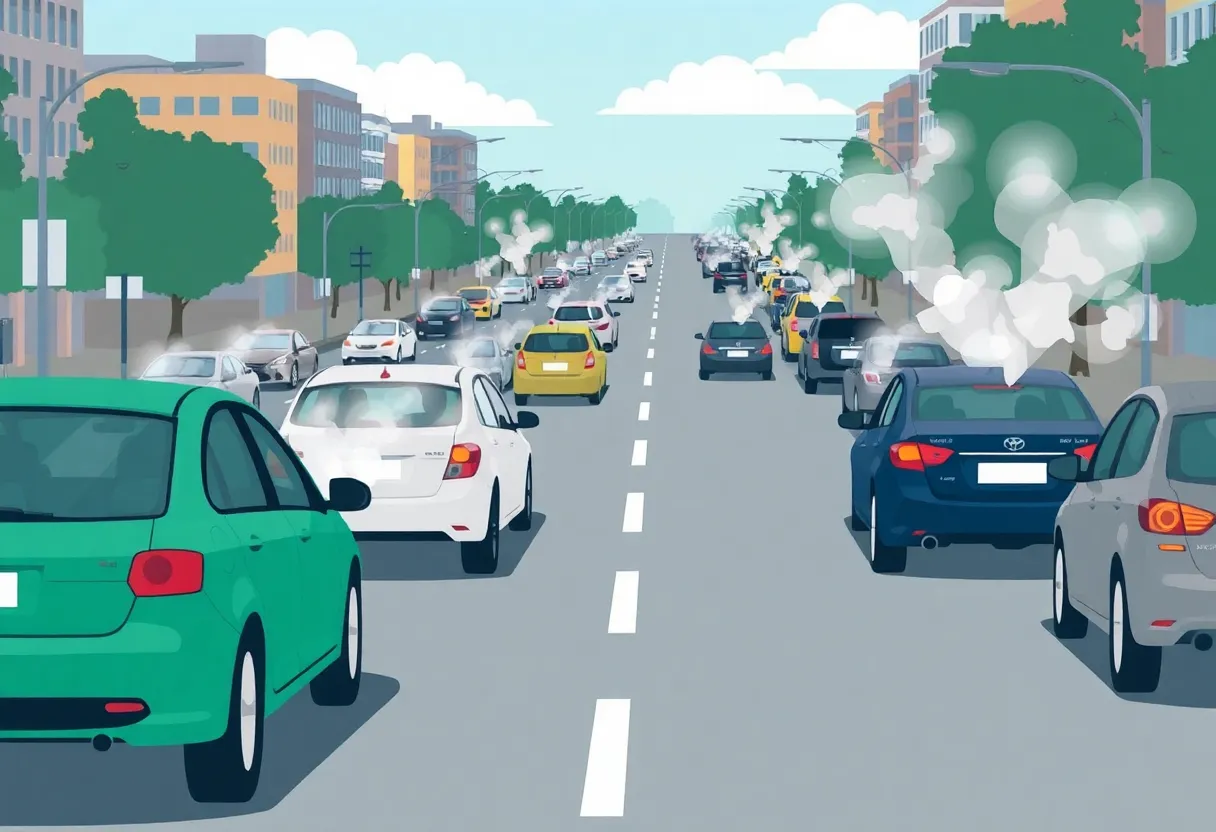
Detroit, MI – The debate surrounding fuel economy standards in America is heating up as eighty Democratic lawmakers in Congress have urged the Trump administration to reconsider a proposal aimed at reducing these vital metrics. This initiative, according to its critics, poses distinct challenges by potentially increasing fuel consumption and air pollution while fostering a greater reliance on foreign oil imports. Those in favor of maintaining stringent fuel economy standards argue that they not only advance environmental protection but also benefit consumers by helping them save on fuel costs.
The National Highway Traffic Safety Administration (NHTSA) has put forth a proposal to lower the Corporate Average Fuel Economy (CAFE) standards for vehicle model years 2022 through 2031. The proposed average fuel efficiency requirement is set at 34.5 miles per gallon by 2031, a notable reduction from the current standard of 50.4 miles per gallon. This significant shift has sparked diverse opinions that encapsulate the larger tension between environmental considerations and automotive industry interests.
Concerns Over Fuel Consumption and Pollution
Representative Doris Matsui and Senator Ed Markey, leading the charge among Democratic lawmakers, have articulated fears that weakening fuel economy standards would prioritize larger vehicles that offer higher profit margins for automakers while undermining efforts to enhance fuel efficiency. Critics caution that this change could lead to escalating carbon emissions and higher fuel demand, impacting both the environment and American families.
The Automotive Industry’s Perspective
In contrast, many major automakers have expressed support for rolling back these standards but have indicated that they would prefer modifications, such as the continuation of credit trading among various manufacturers. This would allow companies flexibility in meeting fuel efficiency targets and may encourage investment in more fuel-efficient technologies. Automakers argue that such adjustments could stimulate economic activity and provide consumers with a broader range of vehicles to choose from.
Environmental and Consumer Advocacy Groups Weigh In
Environmental organizations and consumer advocacy groups have been quick to criticize the proposed changes, warning that they could have far-reaching negative implications for public health and the environment. The overarching sentiment among these groups is that weakened standards could result in families facing higher fuel costs and deteriorating air quality, emphasizing the need for a balanced approach to transportation and energy policy.
Economic Implications and Consumer Choice
The unfolding saga surrounding vehicle fuel standards raises important questions about the balance between regulatory oversight and economic expansion. Supporters of economic deregulation argue that allowing manufacturers to focus on market demands could actually enhance consumer choice and lead to innovations. By minimizing stringent regulations, businesses may be more apt to invest in research and development of new technologies focused on fuel efficiency as they adapt to consumer preferences.
Conclusion
The ongoing discussion regarding fuel economy standards showcases the complex interplay between environmental responsibilities and economic interests within Detroit and beyond. As all stakeholders continue to navigate this multifaceted challenge, it is evident that local businesses and consumers must stay engaged in this pivotal dialogue that shapes not only the automotive industry but also the future of economic growth and environmental sustainability. Detroit’s role in fostering entrepreneurial innovation and resilience will be crucial as the debate unfolds.
Frequently Asked Questions (FAQ)
What is the proposed change to fuel economy standards?
The Trump administration has proposed lowering the Corporate Average Fuel Economy (CAFE) standards for model years 2022 through 2031, reducing the average fuel efficiency requirement to 34.5 miles per gallon by 2031, down from the previous standard of 50.4 miles per gallon.
Why are Democratic lawmakers opposing this proposal?
Democratic lawmakers argue that weakening these standards would lead to higher fuel consumption, increased air pollution, and a greater reliance on foreign oil imports. They also contend that it would allow automakers to prioritize larger, more profitable vehicles over smaller, more efficient ones.
What have environmental and consumer groups said about the proposal?
Environmental and consumer groups have criticized the proposal, stating that it would harm American families by raising fuel costs and worsening air pollution.
How have automakers responded to the proposed rollback?
Major automakers have expressed support for the proposed rollback but have called for adjustments, such as maintaining credit trading among automakers and reconsidering plans to reclassify more vehicles as cars.
Key Features of the Proposed Fuel Economy Standard Changes
| Feature | Description |
|---|---|
| Proposed Standard | 34.5 miles per gallon by 2031, down from 50.4 miles per gallon |
| Implementation Period | Model years 2022 through 2031 |
| Primary Concern | Potential increase in fuel consumption and air pollution |
| Automaker Response | Supportive with requests for adjustments, such as maintaining credit trading among automakers and reconsidering plans to reclassify more vehicles as cars |
Deeper Dive: News & Info About This Topic
HERE Resources
Sheetz’s Expansion in Southeast Michigan Boosts Local Economy
Traditional Cars Take Center Stage at Detroit Auto Show
Detroit Residents Face Higher Taxes and Minimum Wage Increases
Flint Named Most Affordable City for Homebuyers in the U.S.