

Detroit, MI, December 23, 2025
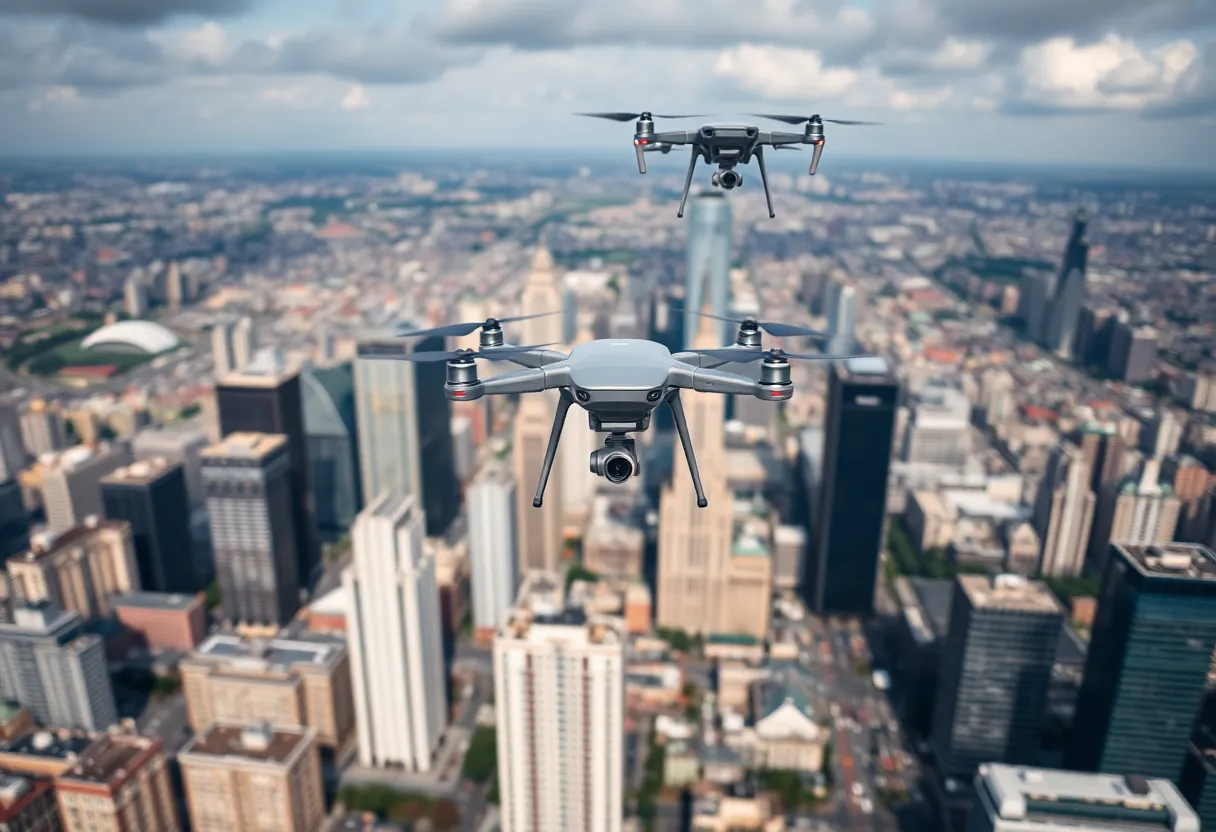
The FCC has enacted a ban on the sale of new foreign-made drones in the U.S., specifically targeting those from Chinese manufacturers DJI and Autel, citing national security concerns. This decision aligns with a congressional mandate from the 2024 defense bill, which highlighted the risks associated with foreign drones. Although existing models will remain in use, this ban encourages U.S. innovation in drone technology as local businesses adapt to fill the market gap left by foreign manufacturers.
FCC Bans New Chinese-Made Drones Over Security Concerns
The FCC’s decision shifts the landscape of drone technology in the U.S., impacting both consumers and businesses.
Detroit, MI – In a significant policy shift, the Federal Communications Commission (FCC) has announced a ban on the sale of new foreign-made drones in the United States, specifically targeting models from Chinese manufacturers DJI and Autel. This decision comes in response to rising national security concerns, particularly about the vulnerabilities these drones may pose as international relations evolve. As local entrepreneurs adapt, this change underscores the potential for American innovation in the drone industry.
The FCC’s new regulation follows a congressional mandate in the 2024 defense bill that highlighted security risks associated with using foreign-manufactured drones. The review, which was called to halt the sale of new drone models from companies deemed a risk, concluded prior to the December 23, 2025, deadline set by the bill. This proactive stance by the U.S. government aims to bolster national security while encouraging domestic production and innovation.
Key Findings of the FCC Review
The FCC’s review determined that foreign-made drones, including those from DJI and Autel, present “unacceptable risks” to both U.S. national security and the safety of citizens. Notably, upcoming large-scale events such as the 2026 World Cup and the 2028 Summer Olympics in Los Angeles have accelerated the urgency of this decision. The potential use of drones in security-sensitive environments has raised significant concerns about governmental and personal data protection.
Impact on Existing Drones and Manufacturers
Importantly, the ban does not extend to existing drones that are already in use or those previously authorized for sale. Consumers in Detroit, and across the country, can continue to operate and purchase these models without interruption. However, new models from foreign manufacturers will be prohibited from entering the U.S. market.
This decision presents a unique challenge and opportunity for local businesses and manufacturers. The impetus is now on American companies to innovate and produce competitive alternatives, which could lead to enhanced job creation and economic growth. The expectation is that the U.S. will see a rise in entrepreneurial spirit as businesses pivot to fill the gap left by foreign drone manufacturers.
Responses from the Industry
Reactions within the drone industry have been varied. Some trade associations, such as the Association for Uncrewed Vehicle Systems International (AUVSI), support the FCC’s decision, emphasizing the necessity for America to lessen its reliance on foreign technology and boost domestic drone production. On the other side, representatives from DJI have criticized the ban, arguing that data security concerns are based on insufficient evidence and reflect a drive toward protectionism.
For businesses that rely on foreign drones, such as law enforcement agencies utilizing DJI drones, there are concerns about how these changes may affect their operations. Some professionals are advocating for a smoother transition towards a domestic drone industry to ensure continuity in operations while balancing security necessities.
Future Exemptions and Considerations
While the ban on new drone sales is comprehensive, there is room for exceptions. Specific drones or components may potentially be exempted if deemed secure by the Department of Defense or the Department of Homeland Security. This measure could be crucial in ensuring that vital operations continue uninterrupted while adhering to new regulations.
Conclusion
This move by the FCC marks a notable evolution in U.S. drone policy aimed at reinforcing national security. As local businesses in Detroit and throughout the nation position themselves to adapt to this shift, there lies an opportunity for growth and innovation in the realm of drone technology. Supporting domestic manufacturers and fostering entrepreneurial initiatives will be key as the landscape of drone usage transforms. Detroit residents are encouraged to remain engaged and supportive of local businesses that will drive this change.
Frequently Asked Questions (FAQ)
What is the FCC’s recent decision regarding foreign-made drones?
The Federal Communications Commission (FCC) has announced a ban on the sale of new foreign-made drones in the United States, including models from Chinese companies DJI and Autel, citing national security concerns. This decision follows a congressional mandate from the 2024 defense bill, which raised alarms about the security risks associated with Chinese-made drones. The bill called for halting the sale of new drones from companies like DJI and Autel if a review found they posed a risk to American national security. This review was December 23, 2025.
How does this decision affect existing drones?
The ban does not affect existing drones already in use or those previously authorized for sale. Consumers can continue to use and purchase these models, but new models from foreign manufacturers will not be approved for import or sale in the U.S.
What are the reasons behind the FCC’s decision?
The FCC’s review concluded that all drones and critical components produced in foreign countries, not just those from DJI and Autel, posed “unacceptable risks” to U.S. national security and the safety of its citizens. The FCC cited upcoming major events, such as the 2026 World Cup and the 2028 Summer Olympics, as contributing factors.
What has been the industry response to this decision?
Industry reactions have been mixed. Michael Robbins, president and CEO of the Association for Uncrewed Vehicle Systems International (AUVSI), welcomed the decision, emphasizing the need for the U.S. to reduce its dependence on China and build its own drones. DJI expressed disappointment, stating that concerns about its data security were not grounded in evidence and reflected protectionism. In Texas, Gene Robinson, who uses a fleet of nine DJI drones for law enforcement training and forensic operations, expressed concern over the impact of the new restrictions on his operations. He acknowledged the need for the U.S. to regain independence in drone manufacturing but anticipated challenges during the transition.
Will there be any exemptions to this ban?
Specific drones or components could be exempted if the Department of Defense or Department of Homeland Security determined they did not pose such risks.
What is the significance of this decision?
This move marks a significant shift in U.S. policy regarding drone technology, aiming to bolster national security by reducing reliance on foreign-made equipment.
Key Features of the FCC’s Decision
| Feature | Description |
|---|---|
| Ban on New Foreign-Made Drones | The FCC has prohibited the sale of new foreign-made drones in the U.S., including models from DJI and Autel, due to national security concerns. |
| Existing Drones Unaffected | Consumers can continue to use and purchase existing models, as the ban does not impact previously authorized drones. |
| National Security Concerns | The decision is based on findings that foreign-made drones pose unacceptable risks to U.S. national security and citizen safety. |
| Potential Exemptions | Specific drones or components may be exempted if the Department of Defense or Department of Homeland Security determines they do not pose such risks. |
| Industry Reactions | Responses vary, with some industry leaders supporting the move to reduce dependence on foreign technology, while others express concerns over its impact on operations and market dynamics. |
Deeper Dive: News & Info About This Topic
HERE Resources
Man Pleads Guilty to Supporting ISIS Through Cryptocurrency