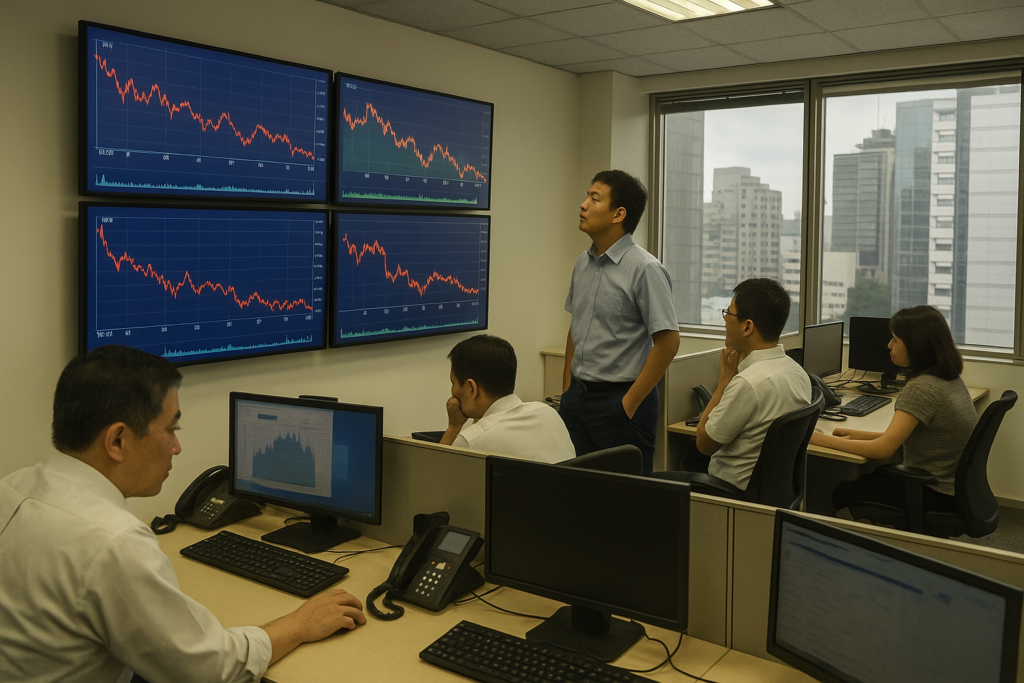
Asia-Pacific stock markets opened with mixed performance on Friday, June 19, 2026, as investors grappled with a confluence of economic and geopolitical factors. The performance of the semiconductor industry, a bellwether for technological advancement and global supply chains, continued to be a significant influence on trading. Strength in chip-related equities provided a positive undercurrent for some markets, reflecting ongoing demand for advanced computing power across various sectors.
However, broader market sentiment remained cautious, largely shaped by persistent uncertainty regarding the future path of U.S. interest rates. Federal Reserve policy decisions and communications continue to be scrutinized by traders and analysts worldwide, influencing equity valuations and bond yields. The anticipation of potential rate adjustments or prolonged periods of elevated rates creates a dynamic backdrop for investment strategies, impacting borrowing costs and corporate investment decisions.
Adding another dimension to the global economic outlook, developments surrounding a potential Iran agreement have also captured investor attention. While the reduction of immediate energy-shock fears provided some relief, the accord remained under scrutiny. The geopolitical landscape and its potential impact on global energy supplies and prices continue to be a key consideration for financial markets.
These international market movements provide a crucial backdrop for local economic considerations in Detroit. The strength or weakness in global technology sectors, particularly semiconductors, can influence the demand for advanced manufacturing and automotive components, areas critical to the region’s industrial base. Companies like General Motors and Rocket Companies, which operate within a globalized economy, are indirectly affected by these international trends.
The Federal Reserve’s monetary policy stance has direct implications for borrowing costs for businesses and consumers in Detroit. Fluctuations in interest rates affect everything from mortgage rates for home buyers to the cost of capital for local businesses looking to expand or invest. The ongoing debate about the Fed’s path influences the affordability of major purchases and the overall economic climate within the metropolitan area.
Furthermore, shifts in global energy markets, influenced by geopolitical events such as the Iran agreement, can impact fuel prices. This has a tangible effect on household budgets and the operational costs for businesses reliant on transportation and logistics in the Detroit area. The interconnectedness of global events means that developments far from Michigan can have discernible consequences for local economic activity and household finances.