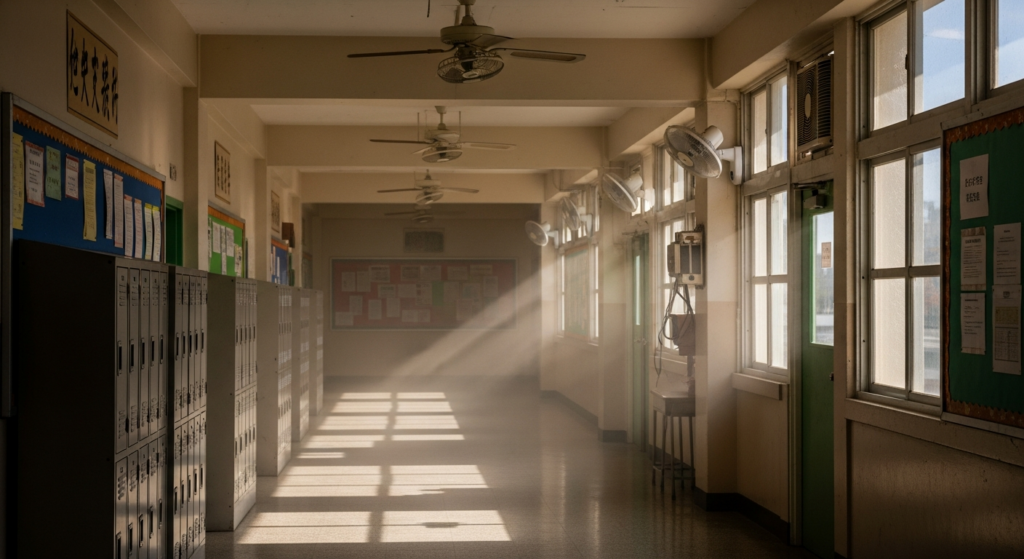
The recent wave of disruptive heat has brought national attention to the challenges schools face in maintaining adequate learning environments. Reports from across the country have highlighted instances where extreme temperatures forced class cancellations, shortened school days, and led to widespread discomfort for students and staff. This situation has renewed a focus on the critical need for effective classroom cooling and ventilation systems, a concern that resonates within Detroit’s own school buildings.
Beyond immediate cooling, the disruptions have also spurred separate reporting on broader issues of building readiness during hot weather periods. This includes an examination of the operational status of ventilation systems, the age and efficiency of existing HVAC infrastructure, and the overall preparedness of school facilities to withstand prolonged periods of high temperatures. The effectiveness of these systems is directly tied to the ability of students to concentrate and learn, making their functionality a key concern for educational outcomes.
While national coverage provides a broad overview, the specific implications for Detroit’s students and educators are paramount. The city’s school district, like many others, operates a range of facilities with varying ages and infrastructure capabilities. Understanding how these buildings are equipped to handle summer heat is essential for ensuring continuity of education and student well-being. The reliance on functional ventilation and cooling systems becomes particularly acute during the summer months, when temperatures in the region can climb significantly.
Discussions around school building infrastructure often involve complex considerations of maintenance, upgrades, and capital investments. The ability to maintain optimal classroom temperatures is not merely a matter of comfort but is intrinsically linked to pedagogical effectiveness. When classrooms become too hot, the learning environment deteriorates, impacting student engagement and academic performance. This necessitates a proactive approach to assessing and addressing the cooling and ventilation needs of all school buildings.
As the conversation continues, it is important to note that information regarding local resources such as verified cooling centers, event rules, transportation advisories, and nearby medical resources can be crucial for residents during periods of extreme weather. These resources, when readily available and clearly communicated, can provide essential support to families and individuals navigating the challenges posed by high temperatures. The focus on school infrastructure is part of a larger community-wide effort to ensure safety and well-being during adverse weather conditions.
The ongoing dialogue about classroom environments underscores the importance of robust infrastructure for educational institutions. Ensuring that schools are equipped to manage temperature fluctuations is a fundamental aspect of providing a stable and conducive learning atmosphere. This includes not only the installation of modern cooling systems but also the regular maintenance and effective operation of existing ventilation and air conditioning units. The goal is to create an environment where learning can proceed uninterrupted, regardless of external weather conditions.