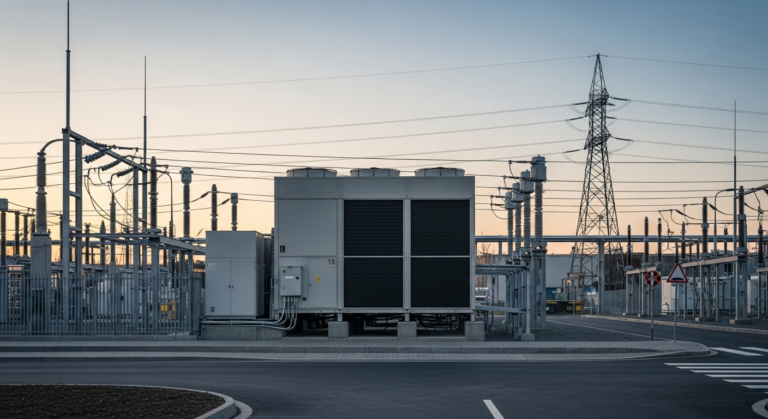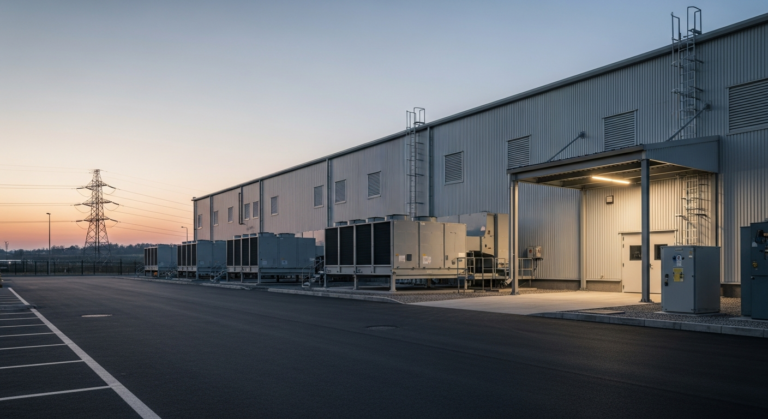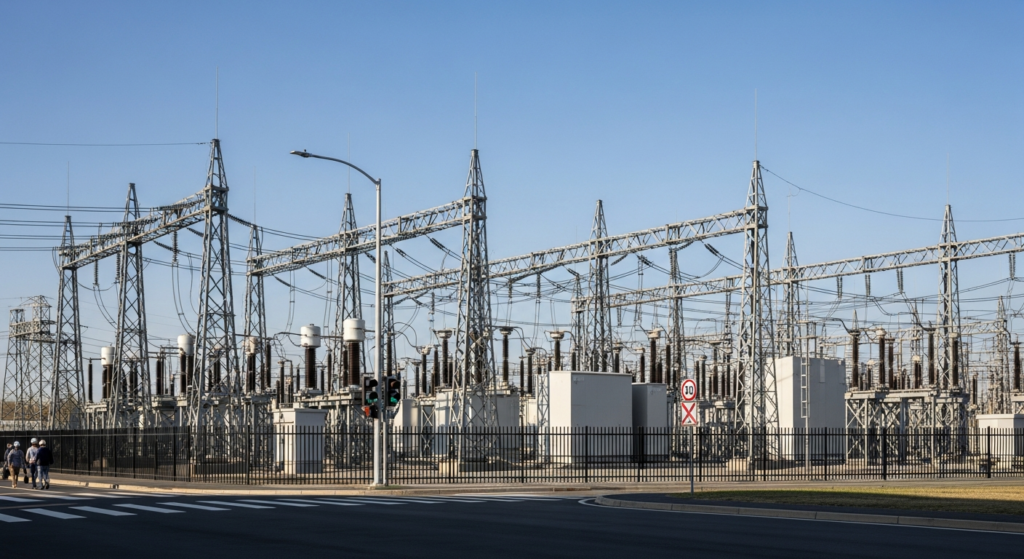
The rapid expansion of artificial intelligence is placing unprecedented demands on electrical grids, a trend that is increasingly shaping utility planning and local economic development debates across the nation, including in Detroit. The insatiable appetite of AI data centers for electricity is forcing a critical re-evaluation of grid capacity and the strategic siting of these energy-intensive facilities.
Technology and energy sectors are closely monitoring how the growth of AI influences power consumption. The development and deployment of AI models require vast computational resources, housed in specialized data centers that consume significant amounts of electricity. This surge in demand presents a dual challenge: ensuring sufficient power generation and transmission to meet the need, while also considering the environmental implications of increased energy use.
Utility companies are at the forefront of this challenge. They are tasked with forecasting future energy needs, which are becoming more volatile due to the unpredictable pace of AI development. This forecasting is crucial for making long-term investments in power generation, grid modernization, and the integration of renewable energy sources. The reliability of the grid is paramount, as disruptions can have cascading effects on businesses, public services, and daily life.
Beyond the technical aspects of grid management, the demand for AI data centers is also becoming a significant factor in local economic development. Site selection for new data centers is heavily influenced by the availability of robust and reliable power infrastructure. This means that communities with strong, well-maintained electrical grids may become more attractive locations for these facilities, potentially leading to job creation and economic investment. However, the process is not without its complexities.
Local officials and economic development agencies are grappling with how to balance the potential economic benefits of data center development against the strain on public utilities and the environment. Debates are emerging over land use, the impact on local power rates, and the long-term sustainability of relying on increased energy consumption. The decisions made now regarding energy infrastructure and data center siting will have lasting consequences for the region’s economic trajectory and environmental footprint.
In Detroit, as in many other major metropolitan areas, the conversation is turning towards how to accommodate this growing demand. This involves not only ensuring that DTE Energy, the region’s primary utility provider, has the capacity to meet the increased load but also exploring innovative solutions. These could include energy efficiency measures, the development of distributed energy resources, and potentially new power generation facilities. The strategic planning required to address these issues is complex, involving coordination between state regulators, utility providers, technology companies, and local governments.
The interplay between technological advancement and energy infrastructure is becoming increasingly evident. As AI continues its rapid evolution, its impact on power demand will remain a central issue for policymakers, industry leaders, and the public. The ability of cities like Detroit to adapt and plan for this new era of energy consumption will be a key determinant of their future economic vitality and resilience.