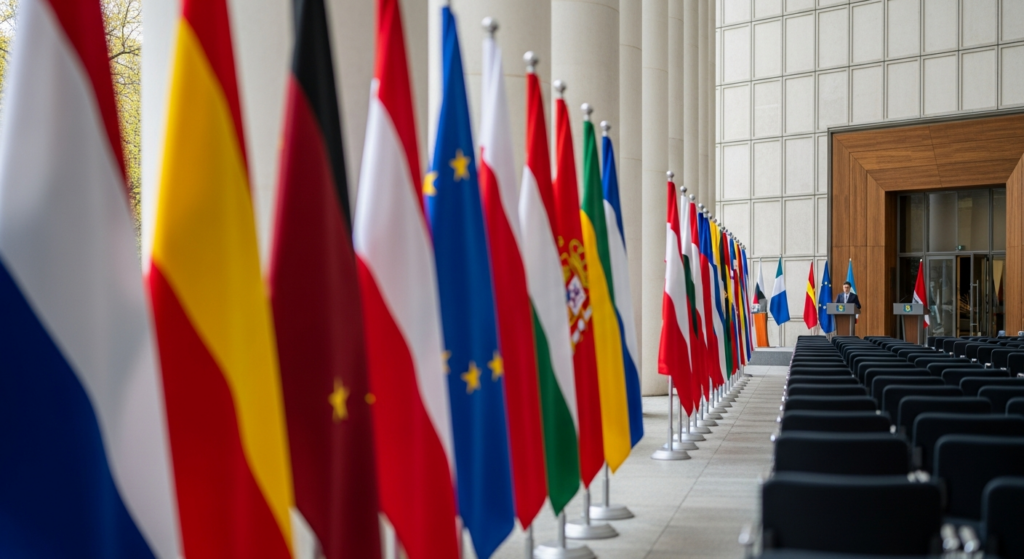
A diplomatic push spearheaded by Qatar is serving as a focal point for ongoing de-escalation talks involving Iran, following a period of heightened tensions in the Gulf region. This initiative underscores continued indirect diplomatic contacts between the United States and Iran, alongside broader regional efforts to sustain dialogue.
The mediation efforts, described in recent coverage, involve a Qatari delegation visiting Iran. This visit is framed as a component of a larger strategy to manage volatility in the region and prevent escalation. The discussions aim to keep diplomatic channels open, a critical endeavor given the complex geopolitical landscape.
The implications of these diplomatic maneuvers extend beyond the immediate region, carrying network relevance for global energy markets, international port logistics, and the planning frameworks for international risk assessment. For communities with ties to military families stationed abroad or those involved in international trade, the stability fostered by such diplomatic engagements is a significant consideration.
While the primary focus of these discussions remains on the diplomatic interactions between the U.S. and Iran, the role of regional partners like Qatar is crucial in facilitating communication. The ongoing indirect talks are seen as a mechanism to manage potential flashpoints and to foster a more stable environment in the Gulf. The success of these efforts hinges on continued engagement and a commitment to diplomatic solutions.
Coverage of these developments highlights the intricate web of international relations and the persistent efforts to navigate complex geopolitical challenges. The Qatar-led mediation represents a tangible thread in the broader tapestry of de-escalation, aiming to prevent miscalculation and foster a more predictable international climate. The process is ongoing, with observers noting the importance of sustained diplomatic engagement to achieve lasting stability.