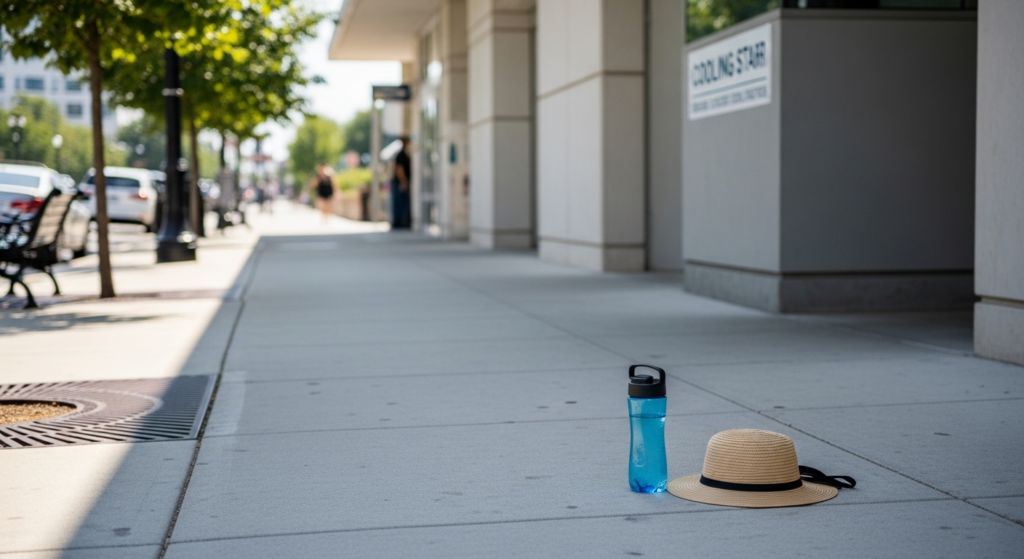
Detroit is experiencing a typical July heat pattern, prompting renewed attention to safety measures for outdoor activities, errands, and community events. The current weather conditions underscore the importance of hydration, seeking shaded areas for tasks, and taking regular cooling breaks.
For individuals managing chronic health conditions or taking prescription medications, the elevated temperatures can present unique challenges. Health experts advise consulting with qualified healthcare providers to understand personal risks associated with heat exposure and to discuss any necessary adjustments to medication regimens or daily routines. This proactive approach can help mitigate potential health complications during periods of extreme heat.
The city’s summer calendar includes numerous outdoor events and youth sports leagues, many of which are directly impacted by the prevailing heat. Organizers and participants are reminded to implement established safety protocols. These include ensuring adequate access to water, providing shaded rest areas, and monitoring individuals for signs of heat-related illness.
Heat illness can manifest in various forms, ranging from heat cramps and heat exhaustion to the more severe heatstroke. Recognizing the warning signs is crucial for timely intervention. Symptoms can include heavy sweating, dizziness, nausea, headache, rapid pulse, and confusion. Practical steps to reduce risk during extreme heat involve limiting strenuous outdoor activity during the hottest parts of the day, wearing lightweight and light-colored clothing, and staying in air-conditioned environments whenever possible.
This period also serves as a reminder for travelers and those planning outdoor excursions within the greater Detroit area. Comprehensive planning that accounts for weather conditions and personal health needs can enhance safety and enjoyment. Verified community resources are available to provide further guidance on heat safety and local health services.
The city’s parks, such as Belle Isle Park and Hart Plaza, offer opportunities for recreation, but visitors should be mindful of the heat. Staying hydrated and taking breaks in shaded areas are essential, especially for children and older adults who may be more susceptible to heat-related ailments. For those involved in youth sports, coaches and parents should adhere to guidelines regarding practice duration, hydration breaks, and recognizing the early signs of heat stress in young athletes.
This guide aims to pair timely weather concerns with durable checklists for cooling, travel planning, and verified community resources. Understanding the implications of sustained high temperatures is key to navigating the summer months safely in Detroit.