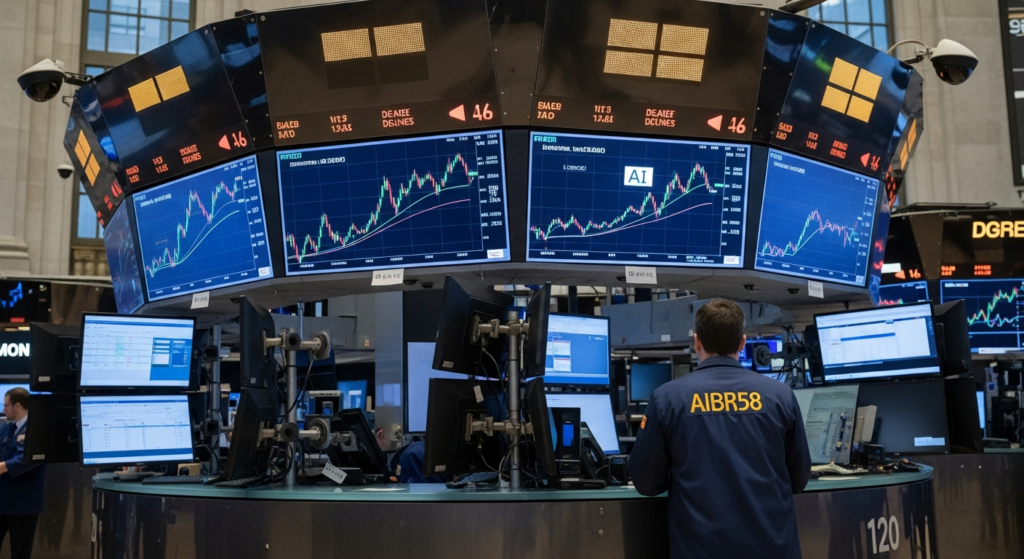
Major U.S. stock indexes closed with little change or lower on Friday, as shifts in the performance of artificial intelligence-linked shares exerted pressure on parts of the market. The Nasdaq Composite, which has seen significant gains driven by AI enthusiasm, experienced a notable pullback.
While specific sector performance varied, the broader market sentiment reflected investor caution regarding the sustained momentum of technology stocks, particularly those heavily invested in AI development and hardware. Analysts noted that the market is navigating a period of adjustment as investors re-evaluate valuations in the rapidly evolving AI landscape.
This mixed market close indicates a complex trading environment where individual stock performance, especially within the technology sector, can have a disproportionate impact on major indexes. The Dow Jones Industrial Average and the S&P 500 also reflected this variability, with some sectors showing resilience while others were weighed down by the performance of AI-focused companies.
Market participants are closely watching for further developments in AI technology and its integration into various industries, which will likely continue to influence market direction. The current trading environment suggests a need for careful analysis of sector-specific trends and their potential ripple effects across the wider financial markets.
Why it matters in Detroit:
For investors and businesses in Detroit, understanding these broader market movements is crucial. While the city’s economic landscape is diverse, with strengths in automotive manufacturing, healthcare, and finance, fluctuations on Wall Street can indirectly affect local investment portfolios and the overall economic climate. Companies headquartered in Detroit, such as General Motors and Rocket Companies, operate within a national and global financial system. Their stock performance, influenced by market trends like those seen with AI shares, can impact their ability to raise capital, invest in local operations, and create jobs. Furthermore, the financial health of Detroit residents, many of whom participate in the stock market through retirement accounts or personal investments, is directly tied to the stability and performance of these major indexes. The ongoing volatility in AI-related stocks serves as a reminder of the interconnectedness of the national economy and its impact on local financial well-being.