As the July Fourth holiday weekend unfolds, public safety officials are issuing widespread warnings about the inherent risks associated with consumer fireworks. The focus this year, as in previous years, is on preventing burns and injuries, while also drawing attention to the broader environmental concerns of air quality degradation and the heightened risk of wildfires.
Reports from national safety organizations emphasize that while fireworks can be a source of celebration, they also pose significant dangers if not handled with extreme care. The primary concern remains the prevention of direct physical harm. Burns, lacerations, and eye injuries are common outcomes when fireworks are misused, mishandled, or when individuals stand too close to active devices. Safety guidelines consistently advise keeping a safe distance, never relighting duds, and having a water source readily available to extinguish fireworks and any potential small fires.
Beyond the immediate physical dangers, the cumulative effect of widespread fireworks use contributes to a noticeable decline in air quality. The combustion of fireworks releases particulate matter and various chemical compounds into the atmosphere. This can be particularly concerning for individuals with respiratory conditions, such as asthma or bronchitis, potentially exacerbating their symptoms. The smoke plumes generated can linger, affecting visibility and air quality in local communities for extended periods following displays.
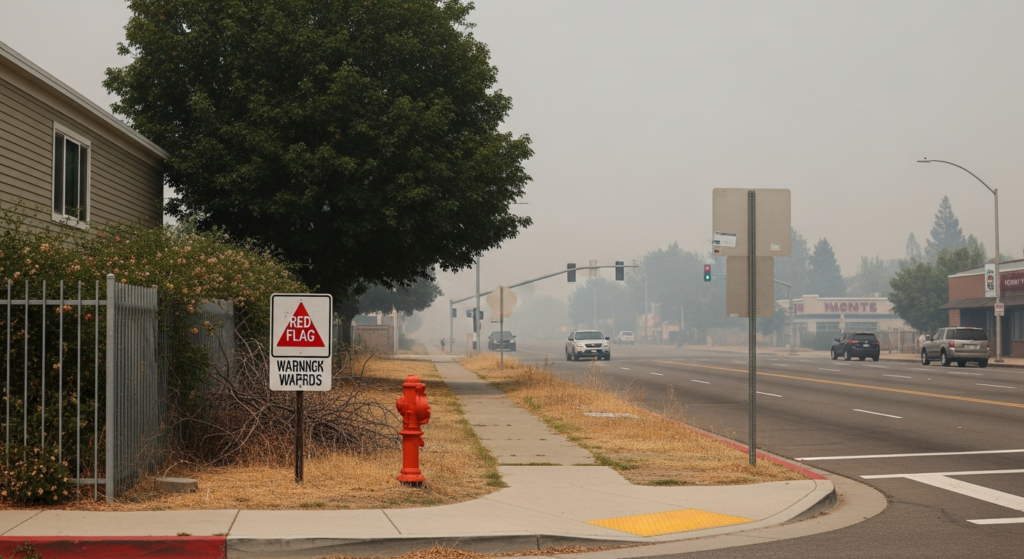
Another critical aspect of the holiday weekend warnings pertains to the increased risk of wildfires. Dry conditions, often prevalent during the summer months, combined with the ignition sources provided by fireworks, create a dangerous environment. Embers from fireworks can easily ignite dry vegetation, leading to rapidly spreading fires. Fire departments and forestry services across the country are on heightened alert, urging extreme caution to prevent accidental ignitions that could lead to significant property damage and environmental harm.
Consumer fireworks injury risks have been a recurring topic in public safety messaging leading up to the holiday. Experts reiterate the importance of purchasing fireworks from licensed vendors and adhering strictly to all product instructions. The temptation to experiment with or modify fireworks is strongly discouraged, as this significantly increases the likelihood of severe accidents. Safe-handling reminders are crucial for both adults and older children who may be involved in setting off fireworks.
These national advisories serve as a broad reminder of the potential hazards. While specific local incidents, injuries, or fire restrictions would require verification from Detroit-area authorities, the general principles of fireworks safety, air quality awareness, and wildfire prevention are universally applicable. Residents are encouraged to be mindful of their surroundings and to prioritize safety throughout the holiday weekend.