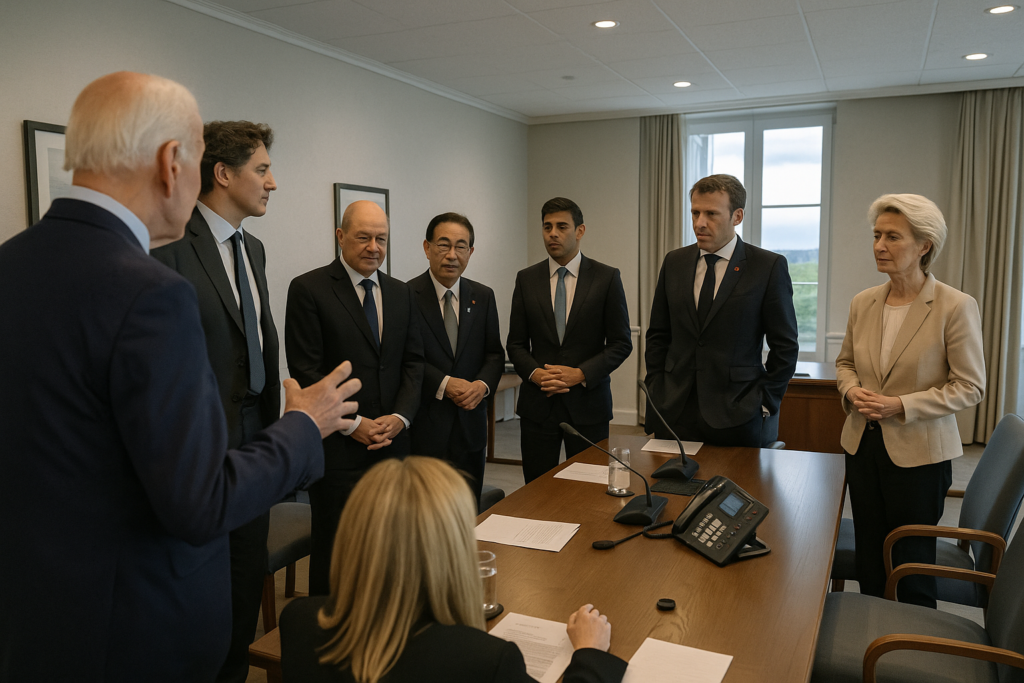
G7 leaders have expressed support for the recent U.S.-Iran agreement, viewing it as a significant diplomatic breakthrough that could enhance maritime security in the Strait of Hormuz. This region is critical for global shipping, and the agreement aims to ensure safe passage for vessels navigating these waters.
However, the path forward is complicated. The agreement is currently undergoing scrutiny within the U.S. political system, as both Congress and administration officials evaluate its implications, particularly concerning sanctions and the timing of implementation. This review process is crucial, as it will determine how the agreement aligns with existing U.S. foreign policy and national security interests.
The implications of this agreement extend beyond diplomatic circles. The potential easing of tensions with Iran could influence energy prices, alter shipping routes, and reshape military policy debates. As the situation develops, officials and lawmakers are expected to engage in ongoing discussions to assess whether the deal adequately addresses concerns related to war powers and sanctions.
In Detroit, the ramifications of international agreements like this one can resonate through various sectors, particularly in industries linked to energy and manufacturing. The automotive sector, a cornerstone of Detroit’s economy, could feel the effects of changes in energy prices and supply chains tied to international relations.
While the G7’s endorsement of the U.S.-Iran agreement marks a hopeful step towards improved relations, the ongoing review by Congress highlights the complexities of U.S. foreign policy. As lawmakers weigh the benefits and risks associated with the agreement, the outcome could have lasting implications not just for U.S.-Iran relations, but also for Detroit’s economy and its key industries.