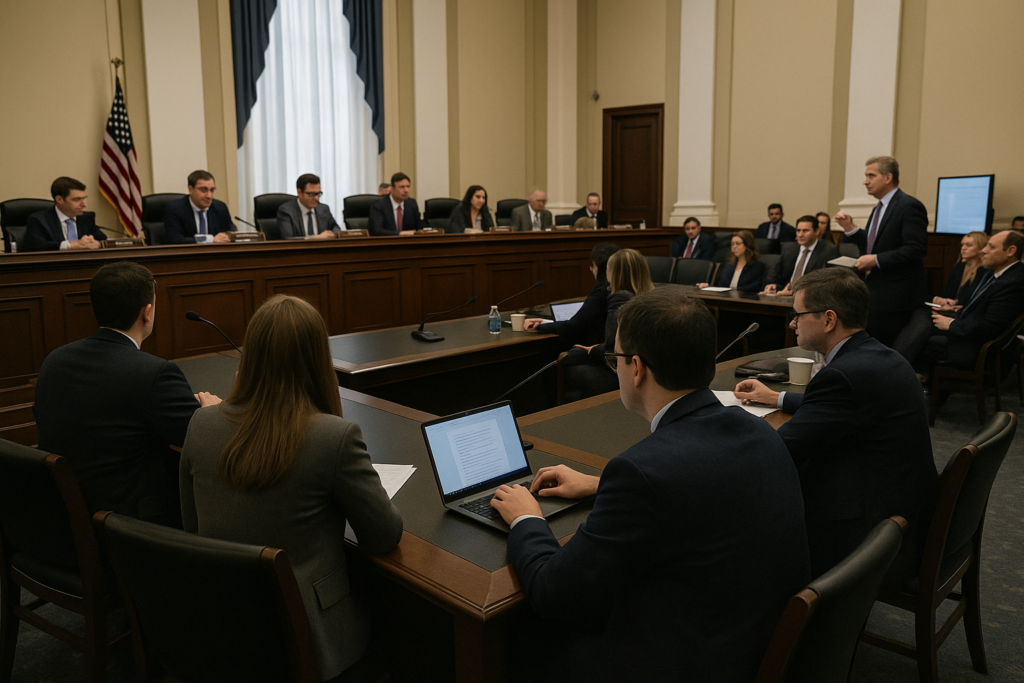
A new proposal in the U.S. House of Representatives aims to establish a framework for scrutinizing powerful artificial intelligence models before they are widely deployed. The bill, if enacted, would require developers and vendors of advanced AI systems to undergo screening processes designed to identify and mitigate risks related to national security, critical infrastructure protection, cybersecurity threats, and bioterrorism.
The legislative effort reflects growing concerns among policymakers about the potential dual-use nature of advanced AI technologies. While these systems offer significant potential for innovation and economic growth, they also could be exploited for malicious purposes or inadvertently create new vulnerabilities. The proposed screening mechanism is intended to provide a proactive layer of defense against such outcomes.
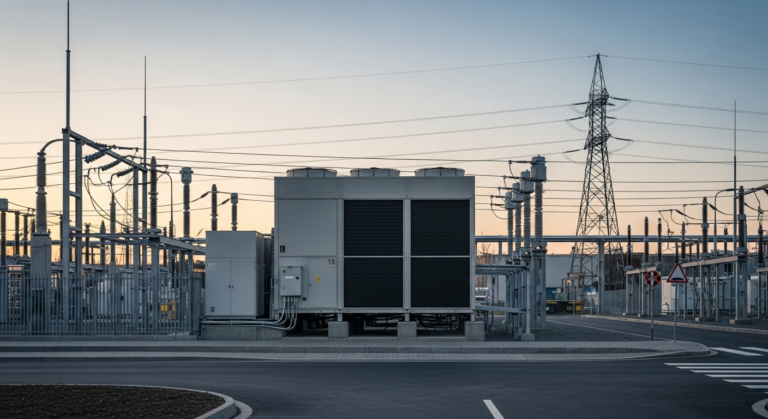
Under the terms of the proposal, AI models deemed “powerful” – a category likely to be defined by specific performance thresholds or capabilities – would be subject to evaluation. This evaluation would focus on a range of potential harms, including the model’s capacity to be used in cyberattacks, disrupt essential services like power grids or water systems, or aid in the development or dissemination of biological threats. The bill’s sponsors argue that such assessments are crucial for maintaining public safety and national stability in an era of rapidly advancing AI.
The potential impact of such legislation could extend to a wide array of stakeholders. Developers of AI models would face new compliance requirements, potentially increasing development timelines and costs. Businesses and organizations that utilize these advanced AI systems, from large corporations to academic institutions, would need to ensure their chosen technologies have met the mandated screening standards. This could influence procurement decisions and necessitate greater due diligence in adopting new AI tools.
Schools and research institutions that are at the forefront of AI development and application would also be directly affected. The bill’s provisions could shape the direction of research and the types of AI models that are prioritized for development and dissemination. The specific metrics and criteria for “powerful” AI models and the exact nature of the screening process are expected to be key points of discussion as the proposal moves through the legislative process.
While the bill has been introduced, its passage is not guaranteed. Legislative records indicate it is currently under consideration, and its final form may be subject to amendments and debate. The proposal is routed through committees focused on technology and policy, signaling an intent to address the complex interplay between AI advancement and governmental oversight.
The initiative underscores a broader trend of governments worldwide grappling with how to regulate artificial intelligence. As AI capabilities continue to expand, lawmakers are seeking to balance the promotion of technological progress with the imperative to safeguard against potential dangers. This House proposal represents one approach to establishing a regulatory architecture for the most potent AI systems.