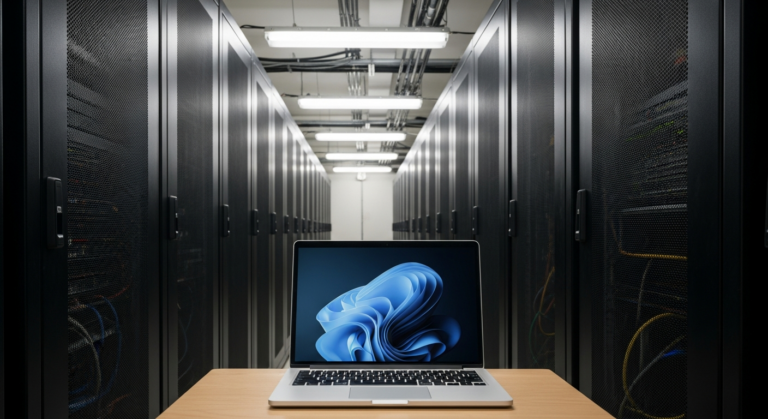
Apple’s upcoming device pricing may face upward pressure due to escalating demand for memory and storage components driven by artificial intelligence capabilities, according to warnings from the company’s outgoing chief executive. The executive indicated that the integration of advanced AI features into consumer electronics necessitates a significant increase in the amount of memory and storage hardware required per device.
This surge in demand for high-capacity memory chips, essential for processing complex AI algorithms, is reportedly creating a strain on supply chains and driving up component costs. A recent estimate suggests that maintaining the profit margins on premium models, such as the iPhone Pro line, could necessitate substantial price adjustments if current trends persist. The company has not yet released specific figures or timelines for potential price changes.
The connection between the burgeoning field of AI infrastructure and the cost of consumer-facing technology highlights a critical juncture in the tech industry. As companies like Apple invest heavily in developing and deploying AI-powered features, the underlying hardware requirements are becoming a significant factor in product development and, consequently, consumer affordability. This trend could have broad implications for the accessibility of next-generation devices.
While the specific impact on Detroit consumers remains to be seen, the global nature of the technology supply chain means that shifts in manufacturing costs and pricing strategies by major corporations like Apple can ripple through to local markets. The demand for advanced computing power is not confined to large data centers; it is increasingly being integrated into the devices individuals use daily, from smartphones to personal computers.
The challenge for manufacturers lies in balancing the integration of cutting-edge AI technology with the need to keep devices accessible to a wide consumer base. The increased cost of essential components like memory and storage chips presents a direct obstacle to this balance. Industry analysts note that this situation is not unique to Apple, as other technology firms are also grappling with similar supply chain and cost pressures related to AI development.
This situation underscores the complex interplay between technological innovation and economic realities. The pursuit of more intelligent and capable devices requires a robust and often expensive hardware foundation. How Apple and its competitors navigate these cost challenges will likely shape the future landscape of consumer electronics pricing and feature availability. The company’s outgoing CEO has signaled that price increases may be difficult to avoid as the demand for AI-driven memory and storage continues to grow.