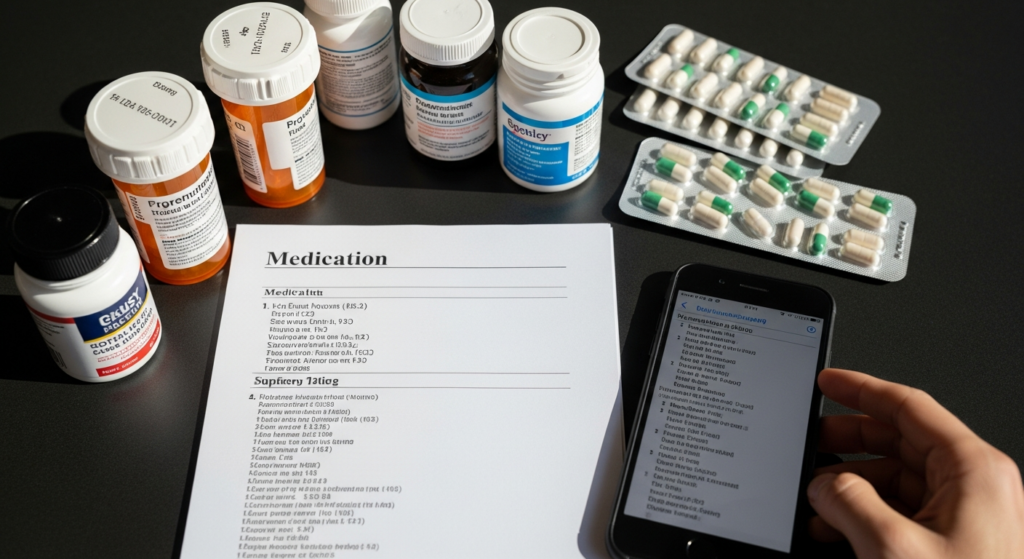
Navigating healthcare often involves complex discussions about the medications one is taking. For patients in Detroit, ensuring that physicians and pharmacists have an accurate and complete picture of their medication regimen is crucial for safe and effective treatment. This requires more than just a list of prescription drugs; it necessitates a comprehensive record that includes over-the-counter medicines, vitamins, supplements, and even herbal remedies.
The purpose of such a list is to provide a single source of truth that can be shared across different healthcare providers. This includes primary care physicians, specialists, urgent care centers, and hospital emergency departments. Bringing the same, consistently updated list to every appointment can significantly reduce the risk of adverse drug interactions, duplicate therapies, or missed opportunities for beneficial combinations. It also aids in identifying potential side effects that might otherwise be attributed to a different cause.
A truly helpful medication list should detail not only the name of each substance but also its dosage, the frequency with which it is taken, and the specific reason for its use. For instance, listing “Lisinopril 10 mg, once daily, for high blood pressure” is far more informative than simply “Lisinopril.” Similarly, noting “Ibuprofen 200 mg, as needed for headaches” provides essential context that might be missed otherwise.
Maintaining the accuracy of this list is an ongoing process. It should be updated immediately after any change to a medication, whether it’s a new prescription, a dosage adjustment, or the discontinuation of a drug. Patients should be encouraged to keep a physical copy of this list in their wallet or purse, and also maintain a digital version accessible on their smartphone. This dual approach ensures that information is available even if one format is inaccessible.
Before making any changes to their medication regimen, patients should consult with a healthcare professional. This includes decisions about stopping a medication, combining different drugs, or altering the timing of doses. Pharmacists, in particular, are valuable resources for clarifying medication information and can often identify potential issues before they arise. Their expertise is a critical component of safe medication management within the Detroit healthcare system.
Creating and maintaining this detailed medication record is a proactive step that empowers patients and supports clinicians. It fosters better communication, enhances patient safety, and contributes to more coordinated and effective care across the diverse healthcare landscape of Metro Detroit. The effort involved in compiling and updating this information pays dividends in preventing potential medical errors and optimizing health outcomes.