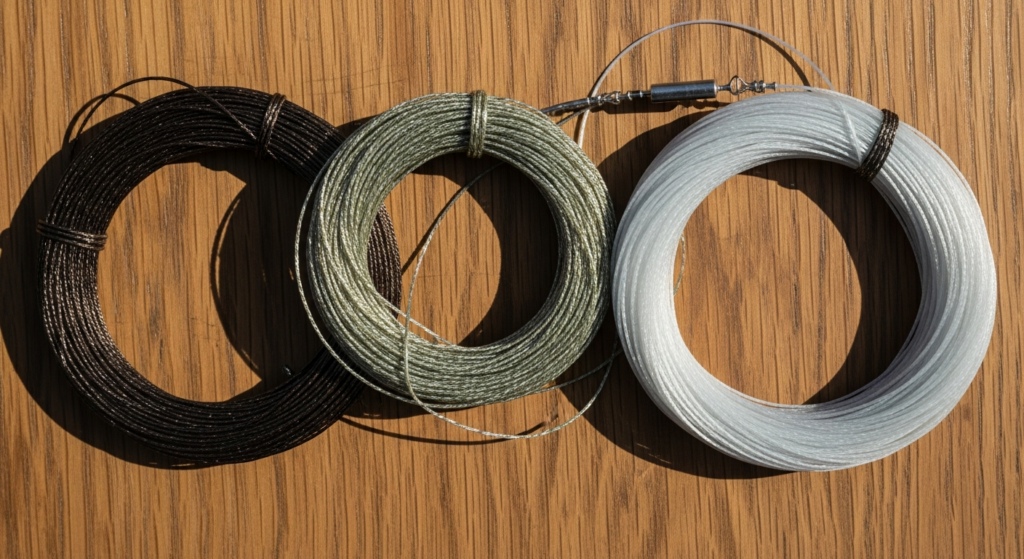
Anglers casting lines into the waters of Detroit, whether on the expansive Detroit River, the smaller lakes within Belle Isle Park, or the broader expanse of Lake St. Clair, face a fundamental choice: braided, fluorocarbon, or monofilament fishing line. Each type offers distinct advantages and disadvantages, influencing everything from lure presentation to the ability to detect subtle bites.
Monofilament line, a traditional choice for many, is known for its forgiveness and buoyancy. It floats well, making it suitable for topwater lures or presentations where keeping the bait high in the water column is crucial. Its stretchiness can also act as a shock absorber, protecting lighter tackle and helping to prevent hooks from tearing out of a fish’s mouth, particularly with species that have softer mouths. However, monofilament can exhibit more “memory,” meaning it tends to coil off the reel, which can affect casting distance and accuracy. It also has a degree of stretch that can reduce sensitivity, making it harder to feel subtle takes, especially at longer distances.
Fluorocarbon line offers a different set of characteristics. It is significantly less visible underwater than monofilament, a critical advantage in the often clear waters found in some local fishing spots. Fluorocarbon also sinks, which is beneficial for subsurface presentations, helping lures cut through the water and reach desired depths more efficiently. Its lower stretch compared to monofilament increases sensitivity, allowing anglers to feel more of what is happening with their lure. However, fluorocarbon can be more brittle and less abrasion-resistant than monofilament, and its sinking nature can be a disadvantage when fishing topwater baits.
Braided line is the strongest and most sensitive option available. Its near-zero stretch means that every twitch of the rod is transmitted directly to the lure, and even the slightest nibble is felt by the angler. This extreme sensitivity is invaluable for detecting bites in deep water or when using finesse techniques. Braided line also casts exceptionally well and is highly abrasion-resistant. However, its lack of stretch can make it unforgiving on light tackle, and its high visibility in clear water often necessitates the use of a leader made of monofilament or fluorocarbon. The braided line’s buoyancy can also be a drawback for certain subsurface presentations.
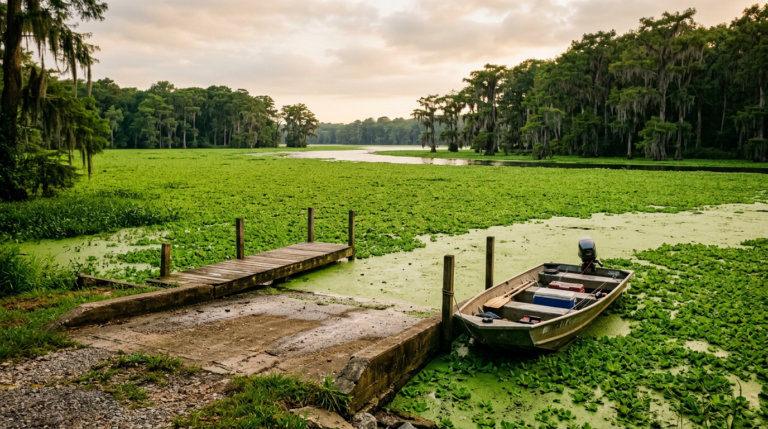
The choice between these lines depends heavily on the specific fishing conditions and target species. For instance, when targeting bass in weed-choked areas of the Rouge River, the strength and abrasion resistance of braided line might be preferred. If fishing for panfish in the clearer waters of a smaller lake, the low visibility of fluorocarbon could be the deciding factor. For beginners on the Detroit River, the forgiving nature of monofilament might offer a more enjoyable introduction to the sport.
Understanding these differences allows anglers to make informed decisions, enhancing their chances of success whether they are pursuing walleye on the river or panfish in a neighborhood pond. The right line can be the difference between a memorable catch and a lost opportunity.