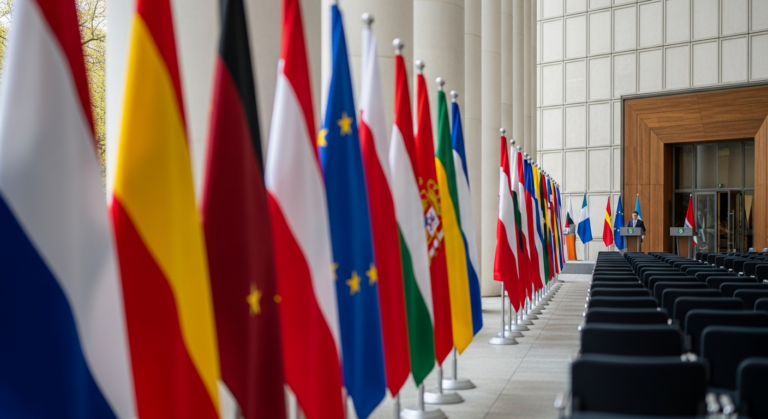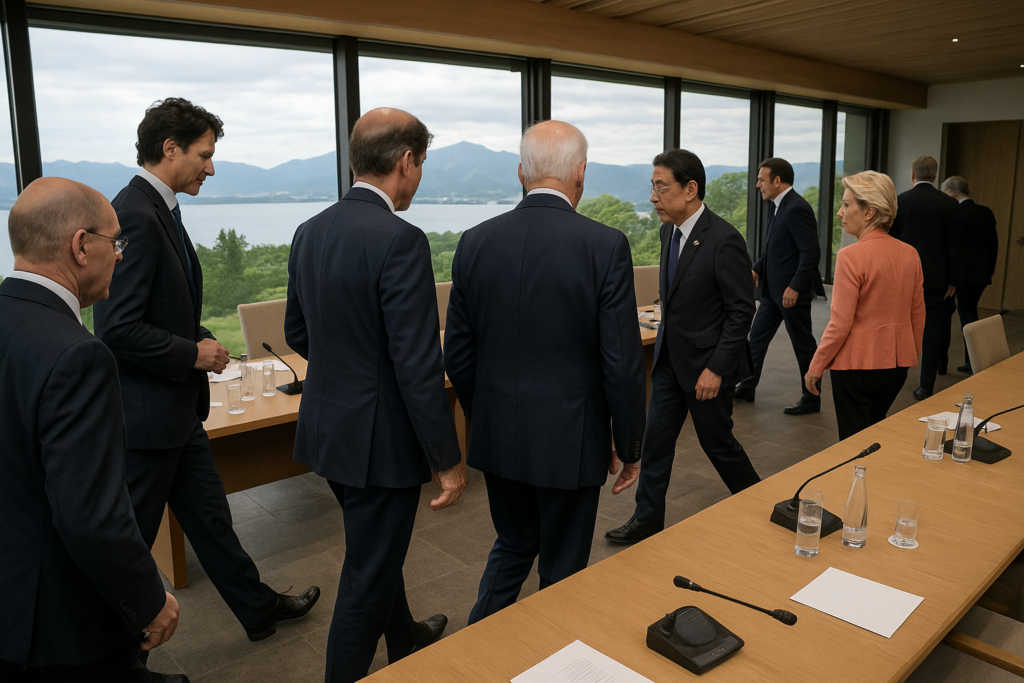
Leaders of the Group of Seven (G7) nations departed their recent summit having addressed a range of critical global challenges, including the ongoing conflict in Ukraine, Iran’s nuclear ambitions, and the complex landscape of international sanctions. While the summit provided a forum for extensive discussion and coordination, definitive resolutions on these key issues were deferred, necessitating further deliberations and actions by individual member states.
The discussions surrounding Ukraine focused on sustaining and enhancing air defense capabilities, a critical component of the nation’s defense strategy. G7 members reaffirmed their commitment to supporting Ukraine’s sovereignty and territorial integrity, but the specific mechanisms and levels of future military aid, particularly in air defense, remain subjects for national governments to finalize. This ongoing commitment underscores the protracted nature of the conflict and the persistent need for international backing.
Iran’s nuclear program also featured prominently on the summit agenda. The diplomatic efforts at the summit ran parallel to broader U.S. initiatives aimed at securing an interim framework concerning Iran’s nuclear activities. However, the G7 discussions did not yield a unified, immediate breakthrough, indicating the intricate and sensitive nature of these negotiations. The outcome suggests that progress on this front will likely continue through bilateral and multilateral channels outside the immediate summit framework.
Sanctions, a primary tool of international diplomacy and pressure, were another active point of discussion. The effectiveness and enforcement of existing sanctions regimes, particularly those targeting Russia and Iran, were reviewed. Leaders acknowledged the need for continued vigilance and potential adjustments to sanctions to maximize their impact while mitigating unintended consequences. The follow-up work will involve coordinating national policies to ensure a cohesive approach to sanctions enforcement.
Maritime security also emerged as a significant topic, with leaders discussing threats to international shipping lanes and the importance of maintaining open and secure sea routes. This aspect of the discussions highlighted the interconnectedness of global trade and security, with implications for supply chains and economic stability.
The summit concluded with a clear mandate for national governments to undertake further diplomatic and policy work on these multifaceted issues. The G7’s role as a forum for consensus-building was evident, but the ultimate implementation and resolution of these complex challenges will depend on sustained engagement and coordinated action at the national level. The unresolved nature of these key foreign policy commitments means that the diplomatic work initiated at the summit will continue long after the leaders’ departure.