Parents of students requiring special education services or those with civil rights concerns in Detroit face a period of adjustment following shifts in federal agency oversight. While the core rights and processes remain, understanding where to direct inquiries and how to meticulously manage documentation is crucial for ensuring continued access to services and protections.
The U.S. Department of Education’s Office for Civil Rights (OCR) and the Office of Special Education Programs (OSEP) are the primary federal bodies responsible for enforcing key legislation, including the Individuals with Disabilities Education Act (IDEA) and Title VI of the Civil Rights Act of 1964. Recent administrative changes may affect how these agencies process complaints and provide guidance, underscoring the need for parents to be proactive in tracking their own records.
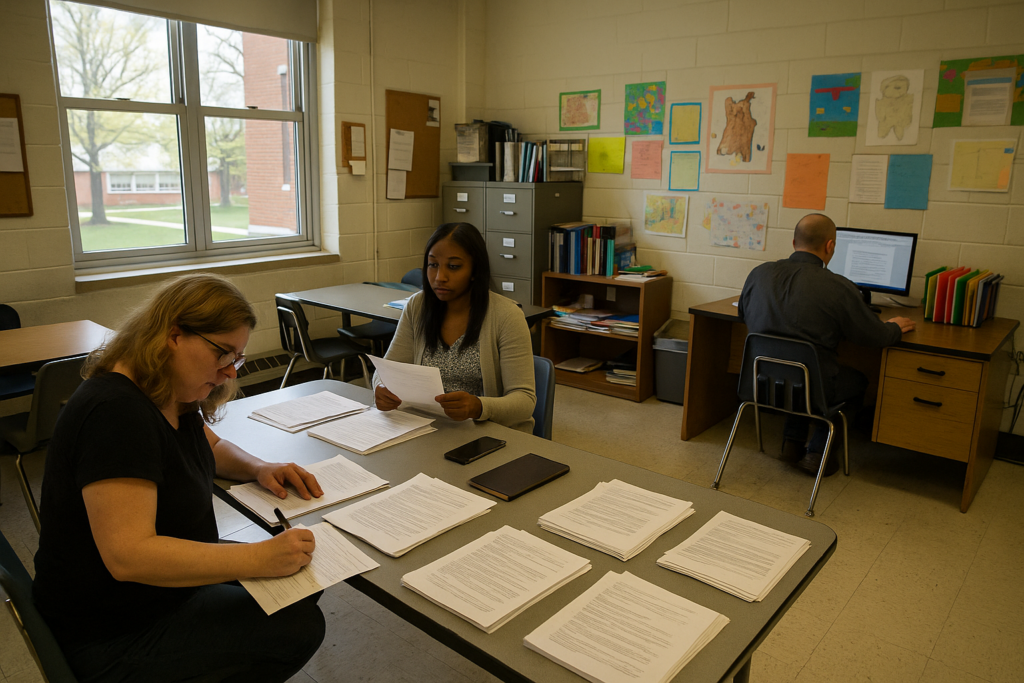
Experts recommend a systematic approach to record-keeping. This includes maintaining a dedicated folder, either physical or digital, for all pertinent documents. Essential items to retain include copies of Individualized Education Programs (IEPs), evaluation notices, records of communication with school officials, complaint filings, and any correspondence detailing deadlines or scheduled meetings. Keeping these documents organized can streamline the process of seeking clarification or filing a grievance.
When questions arise regarding a student’s educational plan or civil rights, parents should first contact their local school district. It is advisable to ask specifically which office or individual is currently responsible for handling such inquiries and to document this information. This direct line of communication can often resolve immediate concerns and provide clarity on local procedures.
For parents seeking to understand their rights, official federal resources remain the most reliable source. Websites for the U.S. Department of Education, including those for OCR and OSEP, offer extensive information on federal laws, regulations, and complaint procedures. Parent Training and Information Centers (PTIs) and Community Parent Resource Centers (CPRCs) also provide valuable, localized support and guidance, helping families navigate complex systems without assuming that changes at the federal level have immediately altered local processes.
In situations involving urgent student safety or the immediate need for critical services, parents should not hesitate to contact local school officials and seek assistance from qualified advocates. These individuals can provide on-the-ground support and help ensure that students’ immediate needs are met while longer-term administrative adjustments are managed.
The federal government’s commitment to ensuring equitable access to education and protecting civil rights remains a cornerstone of policy. However, the efficacy of these protections at the local level depends significantly on parents’ ability to stay informed, maintain thorough records, and engage directly with the appropriate channels for support and resolution. The current administrative landscape calls for diligence and a clear understanding of available resources to advocate effectively for students.