Severe weather events can lead to widespread power outages, leaving residents without essential services. To mitigate the impact of such disruptions, assembling a comprehensive emergency kit well in advance of any storm warning is a critical step for households in Detroit. This proactive approach ensures that vital supplies such as batteries, water, medications, and important documents are readily accessible when needed.
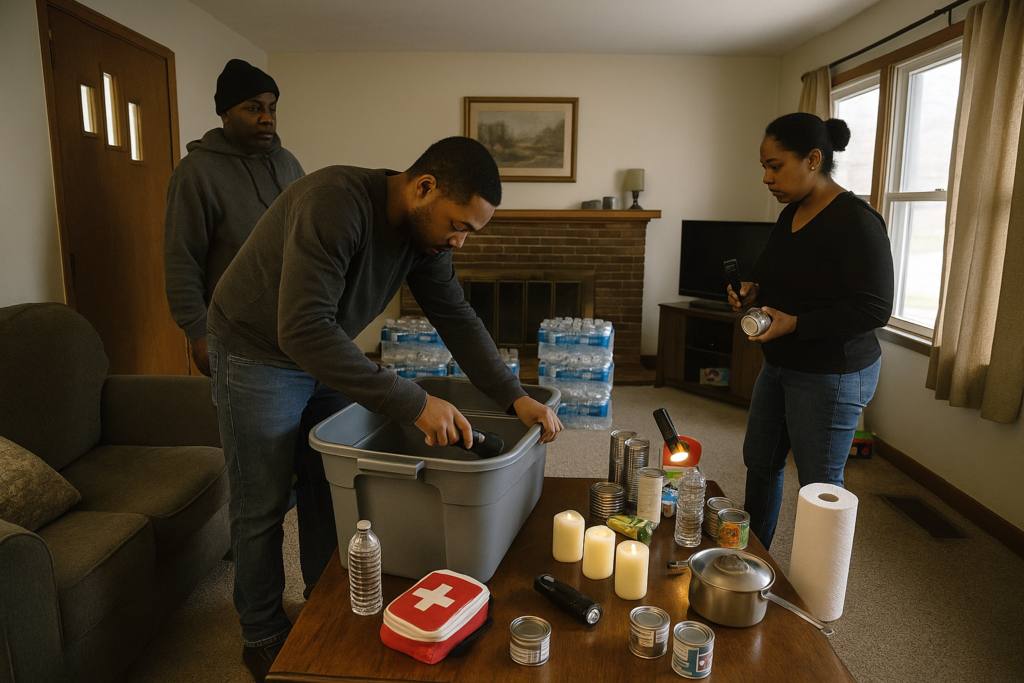
The foundation of any emergency preparedness plan is a well-stocked kit. This should include a sufficient supply of non-perishable food and water for each household member, along with any necessary prescription medications. It is advisable to have at least a three-day supply of essentials. Important documents, including identification, insurance policies, and medical records, should be protected and stored in a waterproof container within the kit.
When it comes to lighting during an outage, battery-powered options are strongly recommended over open flames. Candles, while providing light, pose a significant fire risk, especially in a home where visibility may be compromised. Flashlights, headlamps, and lanterns powered by fresh batteries offer a safer and more reliable alternative. Ensuring a plentiful supply of extra batteries for all devices is a key component of this preparation.
For households that rely on generators for backup power, safety protocols are paramount. Generators produce carbon monoxide, a colorless and odorless gas that can be deadly. Therefore, generators must always be operated outdoors, at a safe distance from any windows, doors, or ventilation systems that could allow the gas to enter the home. Never run a generator in a garage, basement, or enclosed space.
Planning for potential power outages is not just about gathering supplies; it is also about understanding the risks associated with different power sources and emergency equipment. By taking these steps before a storm hits, residents can enhance their safety and comfort during extended periods without electricity. The city of Detroit, like many urban centers, experiences weather events that can disrupt services, making preparedness a consistent priority for all households.
Residents should regularly check and replenish their emergency kits, ensuring that batteries are fresh, food and water supplies are not expired, and medications are up-to-date. This ongoing maintenance ensures the kit remains effective and ready for immediate use. The goal is to create a system that supports household resilience in the face of unpredictable weather patterns and potential utility interruptions.