The implementation of a U.S.-Iran framework agreement has stalled, creating a climate of uncertainty that complicates American national security interests. This diplomatic slowdown coincides with escalating conflict in Lebanon, adding another layer of pressure as the framework includes provisions for regional security. The intertwined nature of these developments underscores the delicate balance the United States must maintain in a volatile geopolitical landscape.
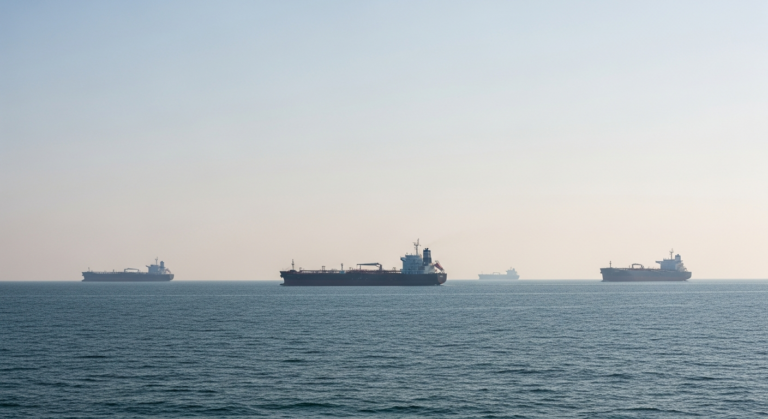
The core of the U.S. national security and economic concerns remains centered on the Strait of Hormuz, a critical chokepoint for global oil shipping. Any disruption in this vital waterway carries significant implications for energy markets and the broader U.S. economy. The ongoing tensions in the Middle East, amplified by the fighting in Lebanon, raise the specter of potential escalations that could directly impact maritime traffic and oil prices. This situation demands careful diplomatic maneuvering and a robust security posture.
The delayed talks with Iran mean that the established parameters for regional stability, which were intended to mitigate such conflicts, are not yet fully operational. This vacuum allows existing tensions to fester and potentially spill over, as seen in the Lebanese conflict. The U.S. foreign policy apparatus is thus tasked with managing both the direct implications of the Iran framework’s stagnation and the indirect consequences of regional instability.
Analysts suggest that the lack of clear progress on the Iran deal leaves regional actors with greater latitude to pursue their own objectives, potentially exacerbating existing fault lines. The fighting in Lebanon, in particular, highlights the risk of proxy conflicts and the challenge of de-escalation when diplomatic channels are not fully open. The U.S. objective of ensuring stable energy flows and preventing wider regional conflagration is made more difficult under these conditions.
The administration faces the dual challenge of revitalizing diplomatic engagement with Iran while simultaneously working to contain the fallout from the conflict in Lebanon. This requires a coordinated approach that addresses both the immediate security threats and the underlying diplomatic issues. The long-term implications for U.S. influence and economic stability hinge on the successful navigation of these complex and interconnected challenges.
Why it matters in Detroit:
The global implications of the Strait of Hormuz’s security and energy flow directly impact the automotive sector, a cornerstone of Detroit’s economy. Fluctuations in oil prices can affect manufacturing costs and consumer demand for vehicles. Furthermore, the stability of international relations, influenced by events like the Iran deal and regional conflicts, shapes the broader economic climate in which companies like General Motors and Rocket Companies operate. Wayne State University’s research in international relations and economics also provides critical analysis that informs understanding of these global dynamics and their potential local repercussions. The city’s economic health is intrinsically linked to global stability, making these international developments a matter of local consequence.