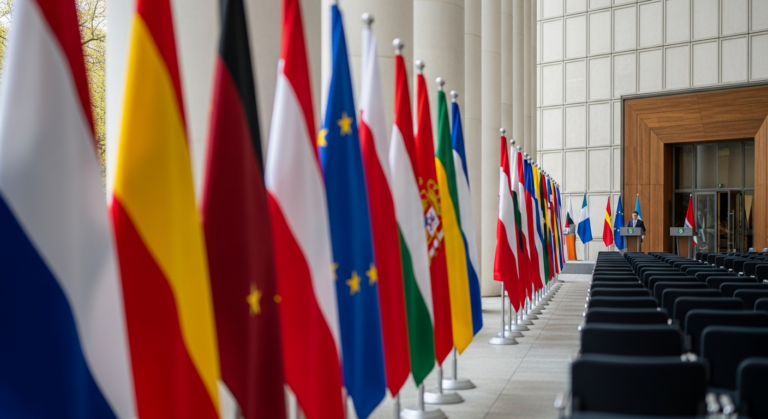
High-level discussions between the United States and Iran concluded this week in Switzerland, marking the end of a significant round of talks focused on de-escalating tensions and addressing potential disruptions to global maritime shipping. The negotiations, which have been closely watched by international markets and national security analysts, took place against a backdrop of renewed threats and ongoing concerns over the Strait of Hormuz, a critical chokepoint for global oil transit.
The diplomatic engagement followed a series of presidential warnings regarding potential escalations and attacks, which have kept the Strait of Hormuz and the broader issue of international sanctions firmly in focus for policymakers and financial institutions. The U.S. foreign policy and national security apparatus has been particularly attentive to these developments, seeking to mitigate risks that could impact global energy supplies and economic stability.
Oil and equity markets have been actively monitoring the progress of these talks, seeking any indication that the perceived risk of shipping disruptions might ease. Fluctuations in global commodity prices and stock market performance have often been linked to the perceived likelihood of increased tensions or a resolution to outstanding diplomatic issues between the two nations.
The conclusion of this round of talks in Switzerland represents a key development in the ongoing diplomatic efforts. While specific outcomes and future negotiation schedules were not immediately detailed, the engagement itself signals a continued pathway for dialogue aimed at addressing complex geopolitical challenges. The focus on sanctions and maritime security underscores the interconnectedness of international relations and their direct impact on global commerce and stability. The administration’s approach has been to leverage diplomatic channels to manage these risks, balancing national security imperatives with the need for stable international trade routes. The outcome of these discussions will continue to be a subject of analysis for economic and security experts worldwide.