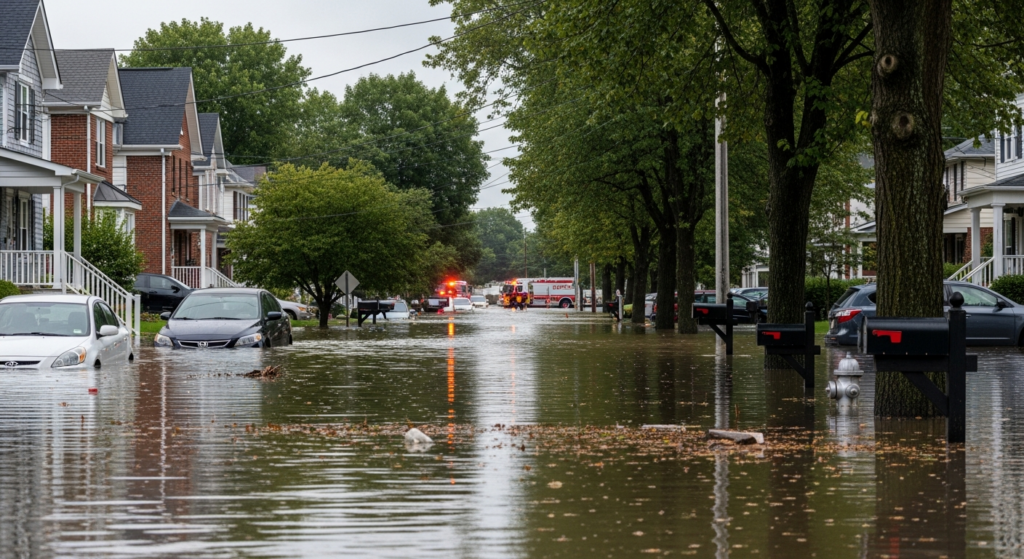
Recent severe weather events across the United States have underscored the persistent need for robust flood and storm preparedness. Millions of people have recently faced hazards from high winds and heavy rainfall, with emergency responders engaged in numerous floodwater rescues in affected areas.
The patterns of severe storms and their consequences, including flash floods, have been particularly pronounced in the Gulf states, where the remnants of Tropical Storm Arthur brought dangerous conditions. These events highlight the dynamic nature of weather systems and their potential to cause widespread disruption.
While the focus remains on immediate public safety concerns, the ongoing nature of these weather phenomena across various regions emphasizes the importance of readily available information and proactive measures. The practical value of public-safety awareness, particularly concerning storms and flooding, is amplified when communities can access timely and relevant local forecasts, emergency notices, and utility updates.
In Detroit, as in many other parts of the country, understanding local weather patterns and having clear emergency plans are critical. While the immediate threat may vary, the underlying principles of preparedness remain constant. This includes knowing evacuation routes, securing property against high winds, and staying informed about potential flood risks, especially for areas near the Detroit River and Rouge River.
The frequency and intensity of such weather events serve as a reminder for individuals and communities to review and update their emergency preparedness kits and plans. This proactive approach can significantly mitigate the impact of severe weather when it strikes.
Why it matters in Detroit:
The recent national focus on severe weather and flooding serves as a critical reminder for Detroit and the surrounding Metro Detroit region. While the specific events may have occurred elsewhere, the underlying risks are present here. Residents living near the Detroit River, Rouge River, or in low-lying neighborhoods should remain vigilant. Understanding potential flood zones, having an emergency kit ready, and knowing how to access alerts from agencies like the Detroit Water and Sewerage Department or DTE Energy are essential steps. Proactive preparedness ensures that when severe weather threatens, the community is better equipped to respond and protect itself, minimizing disruption and safeguarding lives and property in areas like Jefferson-Chalmers or along the riverfront parks.