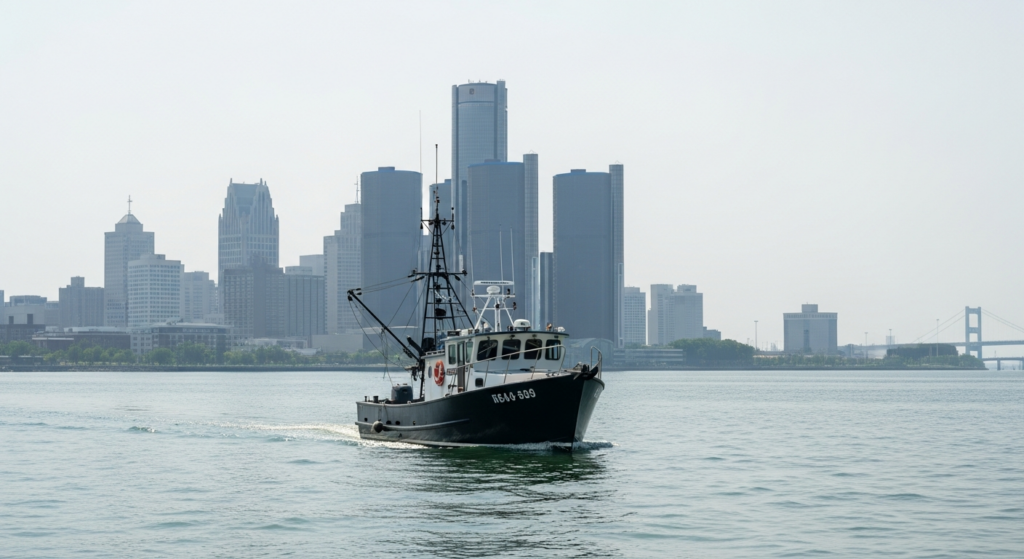
As the summer sun intensifies across Detroit, anglers seeking to reel in their catch are finding that traditional approaches often fall short. The warmer water temperatures and increased daylight push many fish species to seek refuge in cooler, lower-light environments. This shift requires a strategic adaptation of fishing tactics, focusing on early morning and late evening periods, as well as targeting areas with natural shade or significant current.
During the peak of summer heat, fish are less likely to be active in shallow, sun-drenched waters. Instead, they tend to move towards deeper sections of lakes and rivers where the water temperature remains more stable. These deeper areas can offer a consistent environment, but they also present challenges for anglers accustomed to shallower water fishing. Understanding the specific habits of target species in local waters is crucial for success.
Low-light periods, such as dawn and dusk, become prime times for fishing. During these hours, the sun’s intensity is reduced, allowing fish to move into shallower feeding grounds with less risk of exposure. Anglers who can tolerate the early morning chill or the evening humidity often find the greatest success. This strategy leverages the natural behavior of fish to feed when conditions are most favorable for them.
Shade also plays a significant role in where fish congregate during the summer months. Overhanging trees, bridge structures, and submerged objects can create pockets of cooler water and visual cover. Anglers should learn to identify these potential hotspots and present their lures in a manner that mimics natural prey seeking refuge in these shaded areas. Current seams, where faster-moving water meets slower water, can also concentrate baitfish and, consequently, predatory fish.
A key element in adapting to summer fishing conditions is matching the lure and presentation to the environment. Water clarity can vary significantly, influenced by factors like recent rainfall and algae blooms. In clearer water, anglers may need to use smaller lures and lighter lines to avoid spooking wary fish. Conversely, in murkier conditions, brighter or larger lures with a faster retrieve might be more effective, as fish rely more on vibration and silhouette to detect prey.
Retrieve speed is another critical variable. While a steady retrieve might work in cooler water, warmer temperatures can make fish more sluggish. Slower retrieves, punctuated by pauses or erratic movements, can often entice bites from less aggressive fish. Experimentation is key, as different species and even individual fish within a population may respond differently to various retrieve styles.
Line choice also impacts lure presentation. Lighter lines offer less resistance and allow lures to achieve greater depth or a more natural drift. Heavier lines can be advantageous in areas with heavy cover or when targeting larger, stronger fish, providing the necessary strength for control and retrieval. Anglers must balance the need for stealth with the requirement for durability based on their chosen fishing location and target species.
Local regulations and advisories should always be consulted before heading out. While general principles apply, specific water bodies may have unique rules regarding catch limits, seasons, or bait restrictions. Staying informed about these local guidelines ensures compliance and contributes to the sustainability of local fish populations.