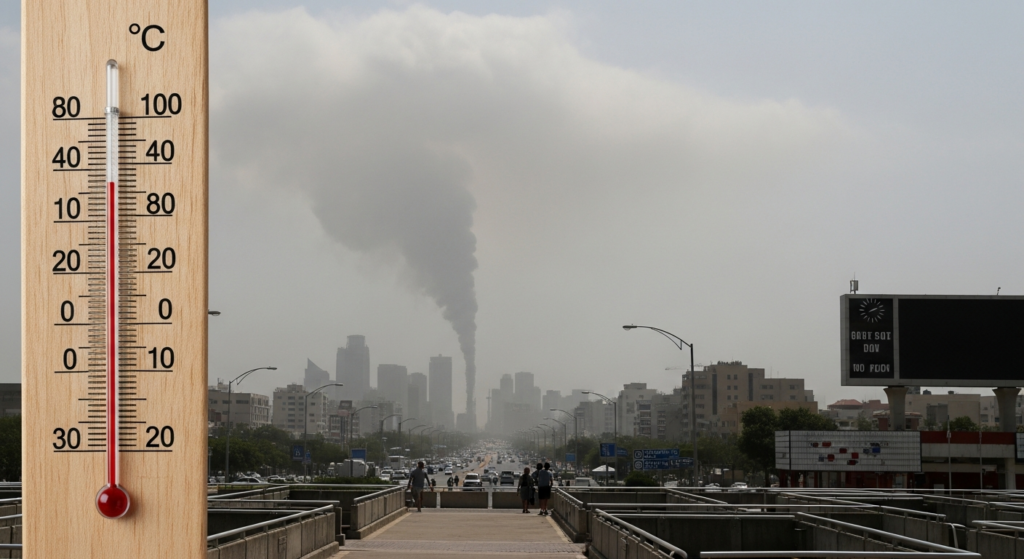
A significant and prolonged heat wave is forecast to impact vast areas of the central and eastern United States, with dangerous conditions expected to intensify as the Fourth of July holiday weekend nears. Independent weather analyses indicate that heat indices could reach perilous levels in many regions, posing a substantial public health risk.
Overnight temperatures are also predicted to offer minimal respite from the oppressive heat in numerous locations, exacerbating the potential for heat-related illnesses. This prolonged exposure to extreme temperatures, coupled with insufficient cooling during the night, heightens concerns for vulnerable populations, including the elderly, young children, and individuals with pre-existing health conditions.
The anticipated weather pattern is likely to affect travel plans for millions of Americans preparing for holiday celebrations. Outdoor events, fireworks displays, and recreational activities may face disruption or require significant adjustments to ensure public safety.
Authorities are urging residents in affected areas to take precautions, stay hydrated, and limit strenuous outdoor activities during the hottest parts of the day. Information regarding cooling centers and emergency preparedness is being disseminated through local channels.
While the immediate focus is on the central and eastern United States, the extended forecast suggests that the heat dome could influence weather patterns across a wider geographical area. The duration and intensity of the heat wave will be closely monitored by meteorological agencies.
This situation underscores the importance of public awareness and preparedness for extreme weather events, particularly during periods of high holiday activity. The potential for widespread impact necessitates a coordinated response from public health officials and emergency management agencies to mitigate risks and ensure the safety of communities.
Why it matters in Detroit:
While the most severe conditions are forecast for areas east of the Mississippi River, Metro Detroit can anticipate elevated temperatures and humidity levels that will test the city’s infrastructure and public health resources. Residents should be aware that heat advisories could be issued, impacting outdoor activities at places like Belle Isle Park and Hart Plaza. The city’s Department of Health and Human Services, along with local healthcare providers such as Henry Ford Health and the Detroit Medical Center, will be monitoring the situation for potential increases in heat-related emergencies. Planning for outdoor Fourth of July events in neighborhoods like Indian Village or along the riverfront should include provisions for staying cool and hydrated, as the broader regional weather patterns can influence local conditions.