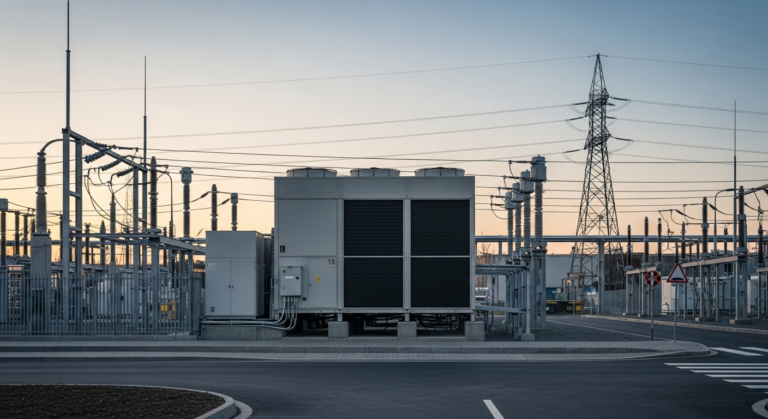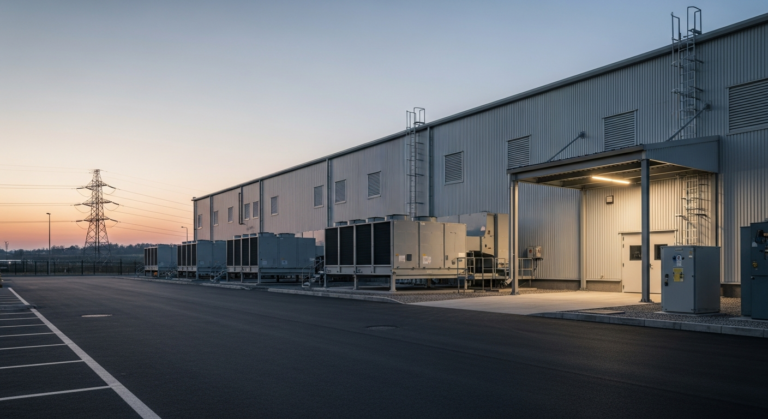
The rapid expansion of artificial intelligence data centers is placing unprecedented strain on electricity grids, prompting urgent discussions about utility capacity and the future of local economic development planning. As the demand for computing power escalates, the ability of existing infrastructure to meet these needs is becoming a critical factor in site selection for new facilities and a focal point for debates about land use and energy policy.
The insatiable appetite of AI for electricity means that the location and scale of data center development are increasingly dictated by the availability of robust and reliable power. This dynamic is forcing utilities and local governments to re-evaluate long-term energy strategies, including investments in grid modernization, renewable energy sources, and the potential for new power generation.
Utility providers are facing pressure to demonstrate that they can accommodate the significant, concentrated energy demands of these high-tech facilities without compromising service to existing residential and commercial customers. This challenge involves not only ensuring sufficient generation capacity but also upgrading transmission and distribution networks to handle the increased load. The planning cycles for such infrastructure upgrades are often lengthy, creating a potential bottleneck for companies seeking to establish AI operations.
Beyond power supply, the siting of large data centers also intersects with local zoning regulations, land availability, and environmental considerations. Communities are grappling with how to balance the economic benefits, such as job creation and tax revenue, against potential impacts on local resources and the character of neighborhoods. The sheer physical footprint and energy consumption of these facilities necessitate careful consideration of their placement to avoid conflicts with residential areas or sensitive ecological zones.
Economic development agencies are finding themselves at the center of these complex negotiations. They must work to attract investment in the burgeoning AI sector while also ensuring that such development aligns with broader community goals and infrastructure capabilities. The conversation is shifting from simply welcoming new businesses to strategically planning for their integration into the existing urban and regional fabric.
This push-and-pull between technological advancement and infrastructural reality is likely to intensify. As AI continues to permeate various sectors, the demand for the physical infrastructure to support it will grow, making the interplay between energy supply, grid capacity, and local planning a defining issue for metropolitan areas like Detroit.