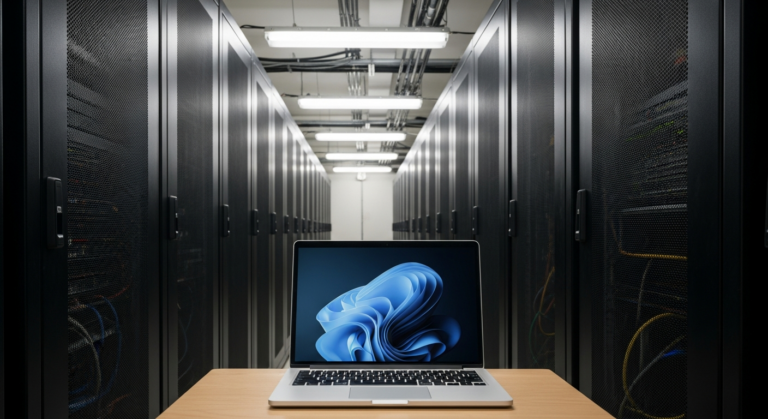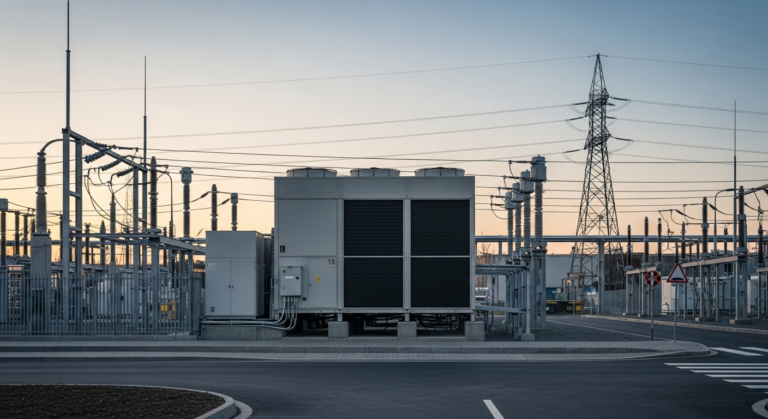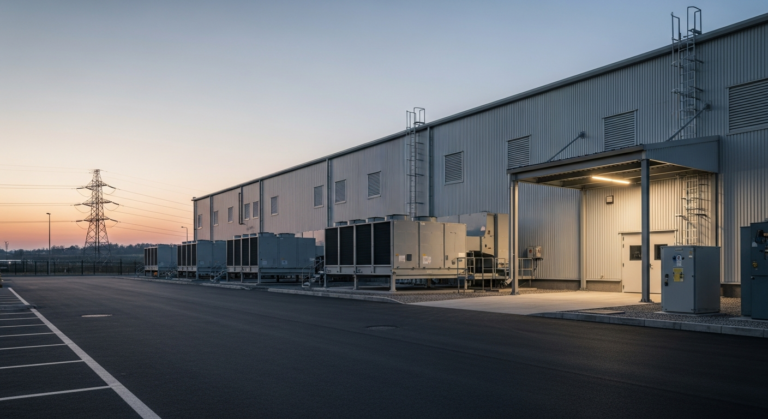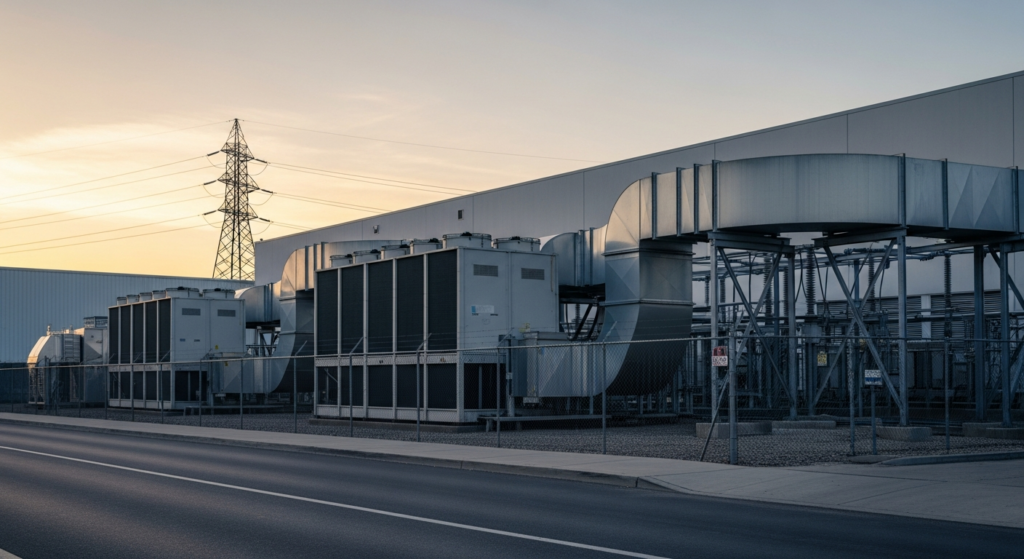
The rapid expansion of artificial intelligence is creating significant new pressures on the nation’s power grids and hardware infrastructure. While the conversation around AI has often centered on the development and availability of advanced microprocessors, the current bottleneck is increasingly identified as the sheer capacity of electrical power and the physical hardware required to house and operate AI data centers. This shift is reshaping business strategies and capital allocation across multiple sectors.
Data centers, the physical backbone of AI operations, require immense and consistent power supplies. The planning and execution of new grid infrastructure to meet this demand are becoming paramount. Power companies and utility providers are facing unprecedented challenges in forecasting and delivering the energy necessary to support the growing number of AI-driven computations. This involves not only increasing generation capacity but also upgrading transmission and distribution networks to handle the concentrated load of these facilities.
The implications extend to the hardware sector beyond just semiconductors. The physical construction of data centers, including cooling systems, servers, networking equipment, and robust power management systems, is experiencing a surge in demand. Companies involved in these areas are seeing increased orders and are being compelled to scale their operations to meet the burgeoning needs of AI deployment.
This focus on infrastructure and power capacity is a direct consequence of the accelerating pace of AI development and adoption. As more industries integrate AI into their operations, the demand for computational resources grows exponentially. This growth necessitates a parallel expansion of the physical and electrical foundations upon which these operations rely.
The business context surrounding AI infrastructure is thus evolving. Capital investment is increasingly being directed towards projects that enhance power generation, grid modernization, and the physical build-out of data center facilities. This strategic pivot acknowledges that the availability of computing power is intrinsically linked to the availability of reliable energy and the physical space to house the necessary hardware.
This trend suggests a sustained period of investment and innovation in the power and hardware sectors. The companies that can effectively address the challenges of energy delivery and infrastructure development are poised to play a critical role in enabling the next wave of AI advancements. The focus has moved from the theoretical potential of AI to the practical, tangible requirements for its widespread implementation.