The 2026 Open Championship, currently underway at Royal Birkdale, presents a familiar set of challenges for professional golfers: the precise interplay of weather, turf firmness, wind conditions, bunker play, and the strategic timing of tee-off waves. For golf aficionados in Detroit, these elements offer more than just spectator interest; they provide a lens through which to view the management and playability of courses closer to home.
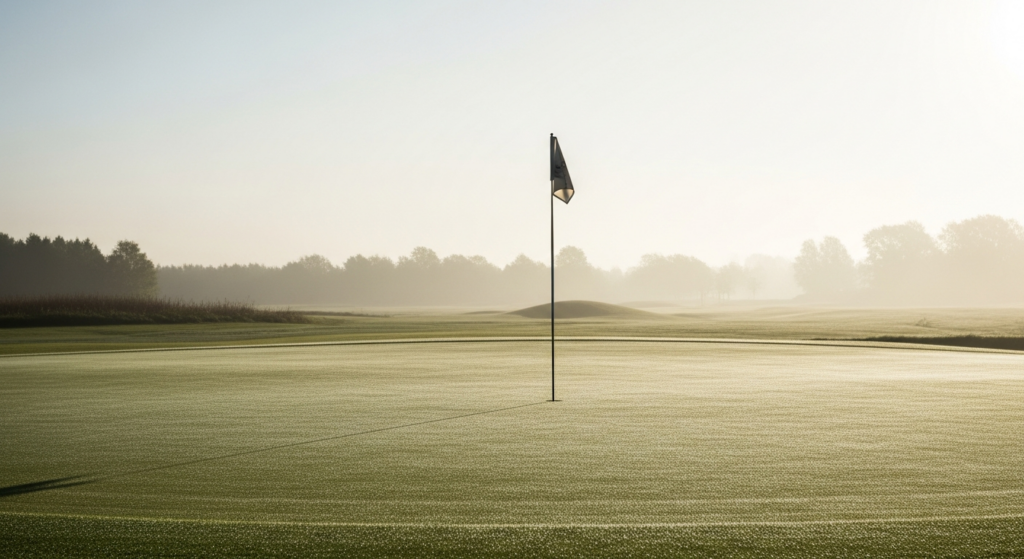
Course conditions at any major championship are meticulously managed. The firm, fast fairways and challenging green speeds demanded by The Open are a product of dedicated groundskeeping, often influenced by prevailing weather patterns. While Royal Birkdale is a seaside links course with unique environmental factors, the principles of maintaining optimal playing surfaces are universal. Local municipal courses and private clubs across the Metro Detroit area face similar, albeit less extreme, demands. The goal is consistent turf health, appropriate moisture levels, and greens that are both challenging and fair.
Weather is a constant factor in golf, and its impact is amplified in major championships. High winds, rain, or unseasonably warm temperatures can dramatically alter course conditions, affecting ball flight, roll, and the very strategy a player employs. Golfers at facilities like Belle Isle Park or courses in the surrounding Wayne County suburbs often contend with their own localized weather phenomena. Understanding how these conditions are managed and how players adapt during a major tournament can offer insights into how local players might approach their own rounds, especially when facing less-than-ideal weather.
Bunkers, often a significant hazard in major championships, require specific attention. The depth, sand composition, and drainage of a bunker all contribute to its difficulty. While the famous pot bunkers of links golf differ from the sprawling sand traps found at many American courses, the underlying challenge remains: escaping the sand efficiently. Local golf courses invest in their bunker maintenance to ensure they are playable yet strategically challenging, mirroring the approach taken at elite venues.
For those who follow professional golf, the narrative of course conditions during a major is a central theme. This narrative extends to how players navigate these challenges. The ability to adapt one’s game to firm conditions, strong winds, or tricky lies is a hallmark of top players. This adaptability is a valuable lesson for amateur golfers. Observing how professionals strategize on a championship-tested course like Royal Birkdale can inform how local players approach their own game, whether they are playing a practice round at a familiar Detroit club or participating in a local tournament.
Watching The Open provides a masterclass in golf course management and player adaptation. The focus on turf, wind, and strategic play at a venue like Royal Birkdale resonates with the daily operations and challenges faced by golf courses and players throughout the Detroit area. The insights gained from observing these major-week storylines can enhance the appreciation and understanding of the game for local golf enthusiasts.