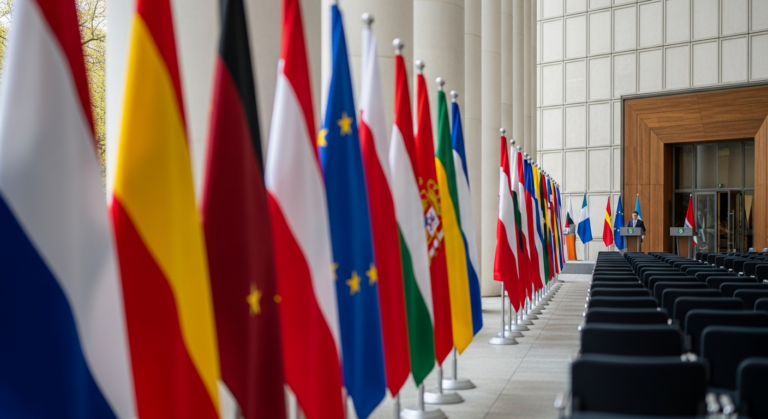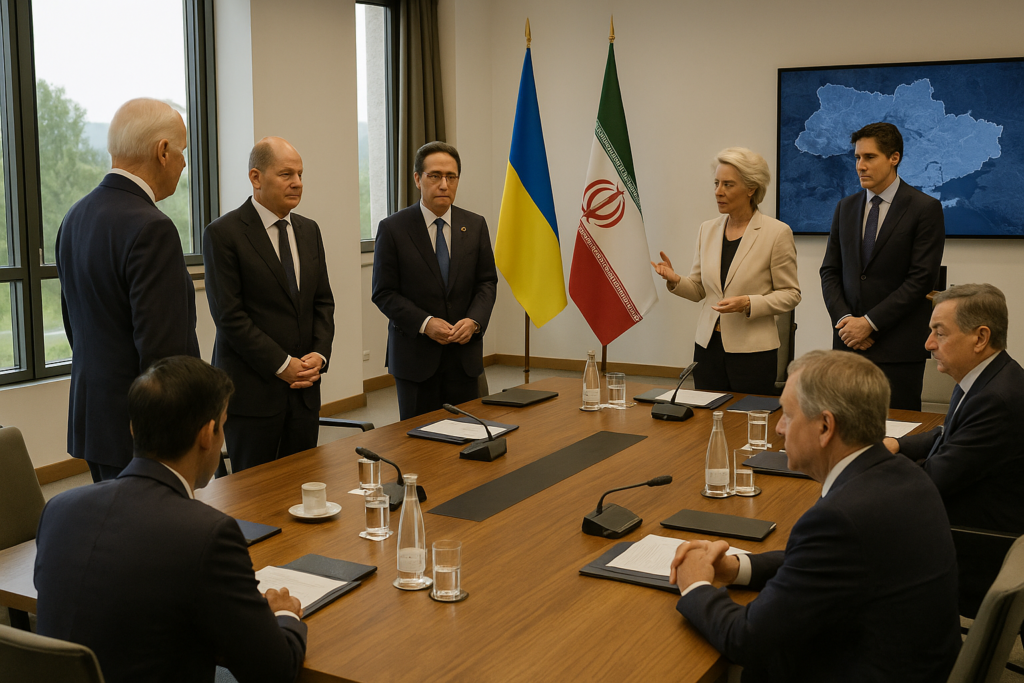
G7 leaders are continuing their discussions on increasing pressure on Russia while providing support for Ukraine, even as the recent agreement with Iran has altered the sequencing of their summit agenda. The ongoing geopolitical tensions surrounding Ukraine remain a priority, with sanctions against Russia firmly on the table.
The leaders of the G7, which includes Canada, France, Germany, Italy, Japan, the United Kingdom, and the United States, are emphasizing their commitment to Ukraine’s security and sovereignty. The Iran deal, which has garnered significant attention, has not detracted from the urgency of addressing the situation in Ukraine. Instead, it has prompted leaders to reassess their strategies and ensure that support for Ukraine remains a central focus of their discussions.
One of the key aspects of the summit is the collective effort to enhance sanctions against Russia. The G7 leaders are exploring new measures to tighten economic pressure on Moscow, aiming to curtail its ability to finance military operations in Ukraine. This includes discussions on restricting exports of technology and other goods that could bolster Russia’s military capabilities.
In addition to sanctions, the G7 is also deliberating on increasing military assistance to Ukraine. This support is seen as crucial in helping Ukraine defend itself against ongoing aggression. The leaders are expected to outline specific commitments regarding military aid, which could include advanced weaponry and training for Ukrainian forces.
The interplay between the Iran agreement and the G7 summit highlights the complexities of international diplomacy. While the Iran deal has shifted the focus of some discussions, it has also underscored the interconnectedness of global security issues. Leaders are recognizing that actions taken in one region can have ripple effects elsewhere, particularly in the context of sanctions and foreign policy.
As the summit progresses, the G7 leaders are likely to face pressure from various stakeholders, including their domestic audiences, to take decisive action regarding both Ukraine and Iran. The outcomes of these discussions will not only impact the immediate geopolitical landscape but also set the tone for future international relations.
The G7’s commitment to Ukraine and the ongoing sanctions against Russia reflect a broader strategy of collective security and diplomatic engagement. As leaders navigate the complexities of these issues, the importance of unity among G7 nations will be paramount in addressing the challenges posed by both Russia and Iran.