The recent agreement between the United States and Iran has triggered a wave of scrutiny from Capitol Hill, focusing on the executive branch’s war powers, the adequacy of congressional briefings, and the mechanisms for oversight. Lawmakers from both parties have voiced concerns that the administration may be overstepping its constitutional authority or failing to provide sufficient transparency regarding the terms and potential implications of the deal.
The core of the congressional concern revolves around the balance of power between the legislative and executive branches, particularly in matters of foreign policy and national security. The Constitution grants Congress the power to declare war and to regulate foreign commerce, including the authority to impose sanctions. Critics argue that any agreement that significantly alters the U.S. military posture or economic sanctions regime without explicit congressional approval or robust oversight could undermine these fundamental checks and balances.
Sources familiar with the internal discussions on Capitol Hill indicate that the agreement’s text is being meticulously reviewed by various committees. The focus is not only on the immediate provisions but also on the long-term consequences. This includes how the agreement might affect existing sanctions against Iran, whether new sanctions could be imposed or existing ones lifted without legislative input, and what the implications are for U.S. military deployments and readiness in the region.
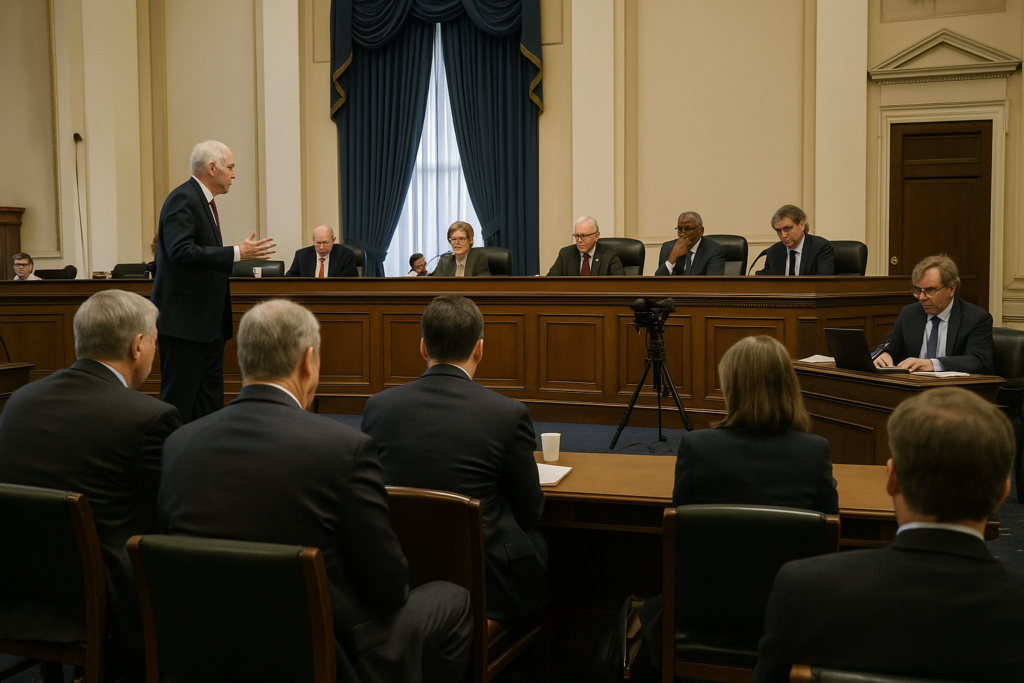
Briefings provided to congressional leadership and relevant committees in the immediate aftermath of the agreement have been described as “informative but insufficient” by some lawmakers. The nature of these briefings, often occurring on the same day as major announcements, has led to questions about whether Congress is being given adequate time and detail to conduct a thorough review. The administration maintains that it has followed established protocols for informing Congress, but the pressure for more in-depth sessions and detailed documentation is mounting.
The congressional review process is expected to be multifaceted. Beyond the immediate concerns about war powers and briefings, lawmakers are also examining the potential impact on international alliances and the broader geopolitical landscape. The agreement’s provisions related to nuclear activities, ballistic missiles, and regional security are all under a microscope. The effectiveness of any new oversight mechanisms that might be proposed will be a key point of contention.
While the administration emphasizes the diplomatic achievements of the agreement, the legislative branch is signaling its intent to assert its constitutional role. This dynamic is not uncommon in foreign policy, where the executive branch often leads negotiations while Congress retains significant leverage through its powers over funding, sanctions, and treaty ratification (though this agreement does not appear to be a formal treaty requiring Senate ratification).
The pressure from Congress is significant, and while no definitive legislative actions have been taken yet, the ongoing review and the public statements from lawmakers indicate a determined effort to ensure that congressional prerogatives are respected. The coming weeks and months will likely see further developments as committees conduct hearings, request additional information, and potentially propose legislative measures to shape or constrain the implementation of the U.S.-Iran agreement.