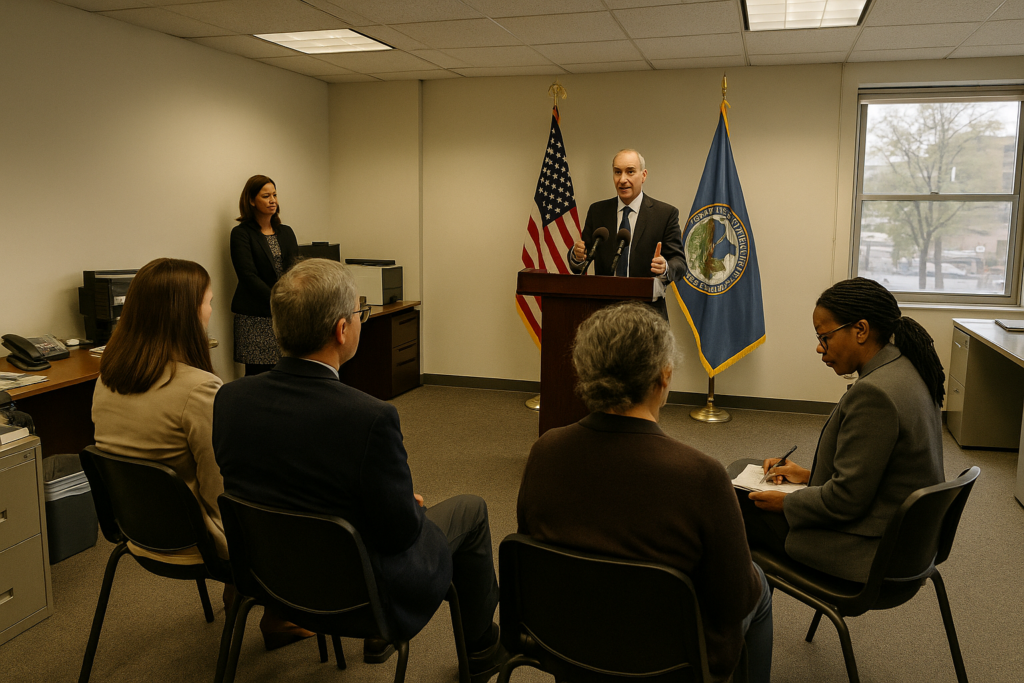
Federal health officials have unveiled a substantial $700 million funding initiative aimed at bolstering services for individuals struggling with mental illness, addiction, and homelessness. The announcement, made by national health agencies, signals a significant investment in addressing complex societal challenges that have a direct impact on communities across the country, including Detroit.
The funding push is expected to create a range of grant opportunities for state and local entities, as well as non-profit organizations, that are on the front lines of providing care and support. While specific local recipients have not yet been identified, the initiative provides a clear signal for community stakeholders in Detroit to monitor upcoming announcements from state agencies, behavioral health providers, and shelters.
This federal action underscores the ongoing national conversation about the intertwined nature of mental health, substance use disorders, and housing instability. Experts in the field have long advocated for increased resources to address these issues comprehensively, recognizing that effective solutions often require a multi-faceted approach. The allocation of $700 million represents a significant commitment to this cause, with the potential to fund a variety of programs, from expanded treatment options and crisis intervention services to supportive housing initiatives and outreach programs.
For organizations operating within the Detroit area, this federal investment could translate into crucial support for existing programs and the development of new services. Wayne County, like many other regions, faces persistent challenges in meeting the demand for mental health care and addiction treatment. The availability of federal grants can provide a vital lifeline for these efforts, enabling providers to scale their operations, implement innovative strategies, and reach more individuals in need.
The specific mechanisms through which this funding will be distributed are still being detailed, but it is anticipated that grants will be awarded based on demonstrated need, program effectiveness, and the capacity of applicants to deliver services. This could include funding for direct patient care, workforce development for mental health professionals, research into effective treatment modalities, and infrastructure improvements for service delivery sites.
Local officials and service providers will be looking closely at the guidelines and application processes as they become available. The success of this initiative will depend on the ability of eligible organizations to access these funds and translate them into tangible improvements in the lives of those affected by mental illness, addiction, and homelessness. The sheer scale of the funding suggests a broad scope of potential applications, from community-based outreach to more intensive residential treatment programs.
This national effort highlights the critical role that federal investment plays in supporting local efforts to address public health crises. As the details of the grant programs emerge, stakeholders in Detroit will have a clearer picture of how this $700 million initiative can be leveraged to strengthen the local safety net and improve outcomes for vulnerable populations.