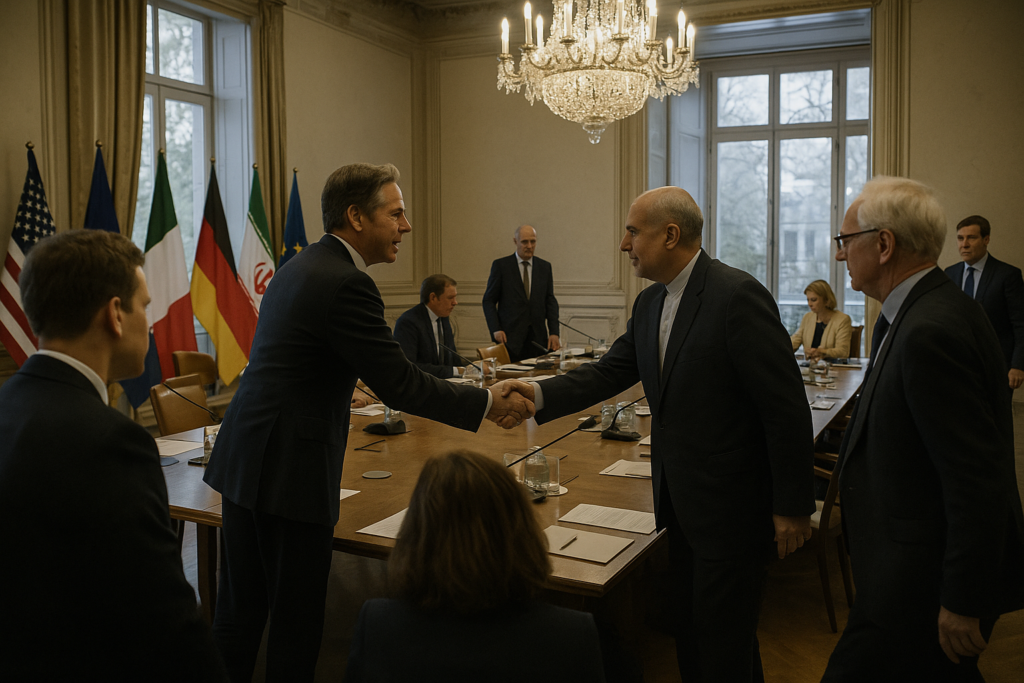
The United States and Iran have signed an interim framework agreement following intensive diplomacy at the G7, aimed at de-escalating a conflict that has strained international relations and global markets. The deal, brokered during a period of heightened global tension, centers on key provisions including the implementation of a cease-fire, adjustments to existing sanctions, and the reopening of access through the critical Strait of Hormuz.
Sources familiar with the negotiations described the agreement as a “framework for implementation” rather than a final resolution. The accord establishes a follow-on verification period, during which compliance with the cease-fire and other stipulated measures will be monitored. This approach acknowledges the complexities of the situation and the need for a phased process to rebuild trust and ensure stability.
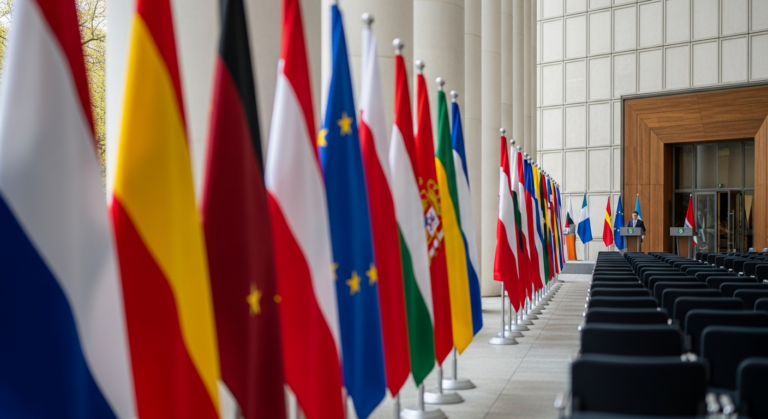
The White House, which played a central role in the G7 discussions, has characterized the agreement as a significant step toward reducing hostilities. The diplomatic push involved leaders from major global economies, underscoring the broad international concern over the conflict’s impact. The wartime setting of the G7 summit lent urgency to the proceedings, as delegates worked to forge common ground amidst ongoing hostilities.
Central to the framework are the mechanisms for cease-fire implementation. Details regarding the monitoring and enforcement of the truce are expected to be elaborated during the verification period. This phase is critical for assessing the commitment of both parties to a sustained cessation of hostilities.
In parallel, the agreement addresses sanctions. While the specifics of the sanctions relief are not fully detailed in the interim framework, it is understood that certain measures will be contingent upon verifiable steps taken by Iran. This phased approach to sanctions relief is designed to incentivize continued cooperation and adherence to the agreement’s terms.
Perhaps one of the most significant outcomes is the provision for reopened access through the Strait of Hormuz. This vital waterway, a critical chokepoint for global oil shipments, has been a focal point of maritime tensions. The agreement aims to ensure freedom of navigation and the unimpeded flow of commerce, a development with direct implications for global energy markets.
The interim nature of the deal means that fundamental issues and a comprehensive final settlement remain to be addressed in subsequent negotiations. The verification period will serve as a crucial test of the framework’s viability and the willingness of both the U.S. and Iran to move toward a more stable long-term relationship. The success of this interim agreement will likely shape the trajectory of future diplomatic efforts and the broader landscape of international security.