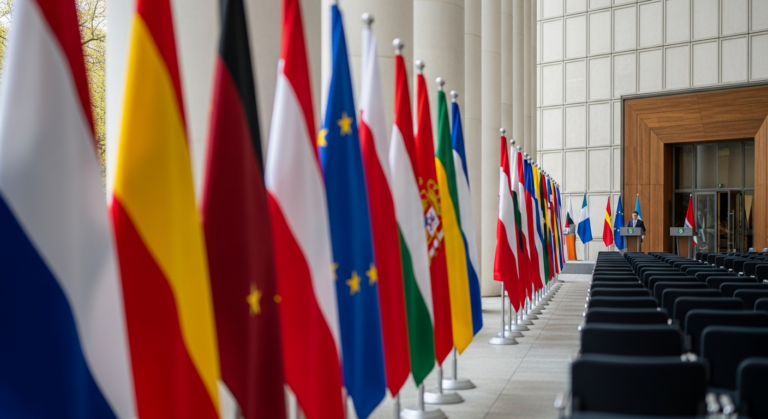
Leaders from the Group of Seven (G7) nations concluded a summit period marked by synchronized efforts to tighten sanctions against Russia, a move that coincided with ongoing diplomatic follow-through on a U.S.-Iran framework. The dual focus underscores the persistent engagement of the White House and allied governments on both the conflict in Ukraine and broader Middle East stability.
The G7 discussions, which involved heads of state and senior representatives from major industrialized democracies, centered on reinforcing existing economic measures against Moscow and exploring new avenues to limit Russia’s financial capacity. These deliberations occurred concurrently with the administration’s continued diplomatic engagement aimed at solidifying an understanding with Iran, a process that has been a key foreign policy objective.
Sources familiar with the summit’s agenda indicated that the discussions on Russia sanctions were robust, with member states seeking to present a united front. The objective was to ensure that economic pressure remained a significant factor in international efforts to address Russia’s actions. The specifics of the enhanced sanctions, including potential targets and enforcement mechanisms, were understood to be a subject of detailed negotiation among the participating nations.
Simultaneously, the diplomatic channels concerning Iran remained active. The U.S. has been engaged in a complex series of discussions aimed at establishing a framework for future engagement, a process that requires careful coordination with international partners. The overlap in the summit’s timeline with these diplomatic efforts highlights the interconnected nature of global security challenges.
The White House has consistently identified both the ongoing conflict in Ukraine and the complex geopolitical landscape of the Middle East as critical areas of focus. The G7 summit provided a platform for leaders to align strategies and reinforce commitments on these fronts. The coordinated approach to sanctions against Russia, coupled with the persistent diplomacy regarding Iran, reflects a broader strategy to manage multiple international crises.
This period of intense diplomatic activity underscores the challenges faced by global leaders in navigating a complex international environment. The alignment of G7 discussions on Russia with ongoing U.S. efforts on Iran demonstrates a strategic effort to address distinct but interconnected foreign policy priorities. The outcomes of these discussions are expected to shape international relations and economic policies in the coming months.
Why it matters in Detroit:
The global diplomatic currents discussed at the G7 summit, particularly concerning economic sanctions and international relations, have tangible implications for major employers in Detroit. Companies like General Motors, which operate on a global scale, are subject to the ripple effects of international trade policies and geopolitical stability. Fluctuations in global markets, driven by events such as sanctions on major economies or shifts in international diplomacy, can impact supply chains, raw material costs, and demand for automotive products. Furthermore, the broader economic climate influenced by these international discussions can affect investment decisions and workforce planning within the region’s key industries, including automotive manufacturing and financial services. The stability and predictability fostered by coordinated international diplomacy are essential for the continued growth and operational integrity of Detroit’s economic base.