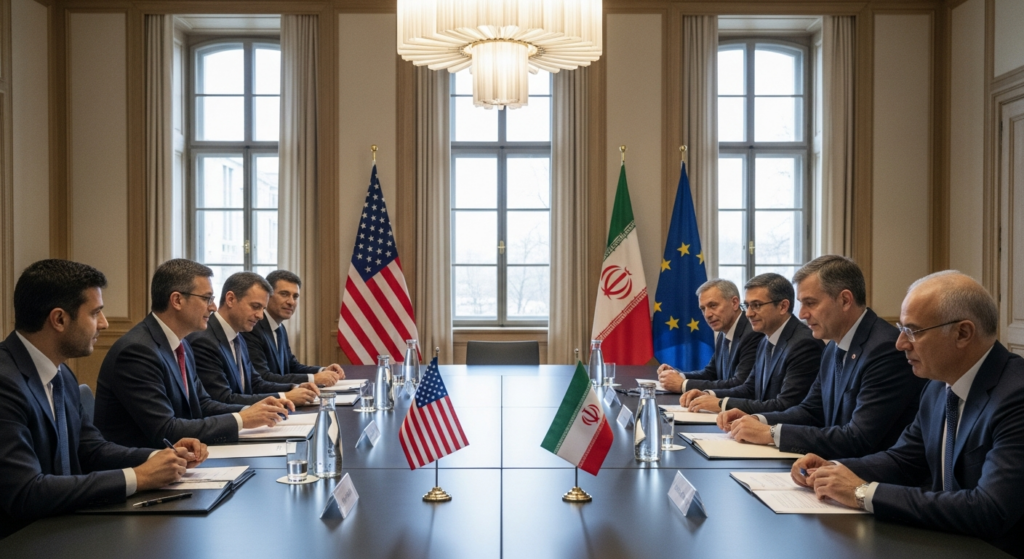
Technical discussions between the United States and Iran, facilitated by mediators in Switzerland, have concluded with an agreement on a roadmap for continued negotiations. The talks, which focused on resolving outstanding conflict and nuclear program issues, represent a crucial step in ongoing diplomatic efforts.
Sources close to the negotiations described the outcome as successful, indicating that the established roadmap will guide future engagements between the two nations. While specific details of the agreement remain undisclosed, the emphasis on a structured approach suggests a commitment to further dialogue.
The diplomatic process is unfolding against a backdrop of significant geopolitical and economic concerns. Market and security anxieties surrounding the Strait of Hormuz have underscored the urgency of de-escalating tensions and finding resolutions to long-standing disputes. The strategic waterway is a critical chokepoint for global oil supplies, and any disruption carries substantial implications for international energy markets.
Adding a layer of complexity to the situation are parallel developments in U.S. national security policy. The concurrent movement of congressional war-powers actions and executive diplomacy highlights the delicate balance of power and the multifaceted nature of the U.S. foreign policy approach. This dual-track strategy underscores the high stakes involved in the negotiations and the careful consideration being given to all potential outcomes.
The implications of these talks extend beyond the immediate diplomatic arena, touching upon national security and household economics. Fluctuations in energy prices, driven by geopolitical stability, directly impact consumers. Furthermore, the risk of military escalation, however remote, remains a persistent concern that influences global security perceptions and economic planning.
Representatives from both the U.S. and Iran met in Switzerland to engage in these crucial discussions. The presence of mediators was instrumental in facilitating communication and fostering an environment conducive to progress. The talks are part of a broader effort to address unresolved issues that have strained relations between the two countries for years.
The success of these technical talks, while not a resolution in itself, provides a foundation for more substantive negotiations. The agreement on a pathway forward is seen as a positive development by observers who have been closely monitoring the situation. The coming months will be critical in determining whether this momentum can be sustained and translated into tangible progress on the core issues at hand.
The broader conflict and nuclear program issues remain central to the diplomatic agenda. These are complex challenges with deep historical roots, requiring sustained engagement and a willingness from all parties to compromise. The roadmap agreed upon in Switzerland is intended to facilitate a more structured and productive approach to tackling these intricate matters.
This diplomatic engagement follows a period of heightened tensions and security concerns, particularly in relation to the Strait of Hormuz. The ongoing efforts to stabilize the region and prevent further conflict are a key driver behind the renewed focus on dialogue. The international community is watching closely, hopeful that these discussions will lead to a more peaceful and secure environment.